
My native land, Oklahoma, became a State on November 16, 1907. While I haven’t lived in Oklahoma since I was three years old, it continues to be our family and ancestral home. There is something about the place. As much as I love the ocean and the mountains of Washington and the beauty of Wyoming, and the history and relaxed environment of South Carolina, it is Oklahoma that still feels like it has its calling on my soul.
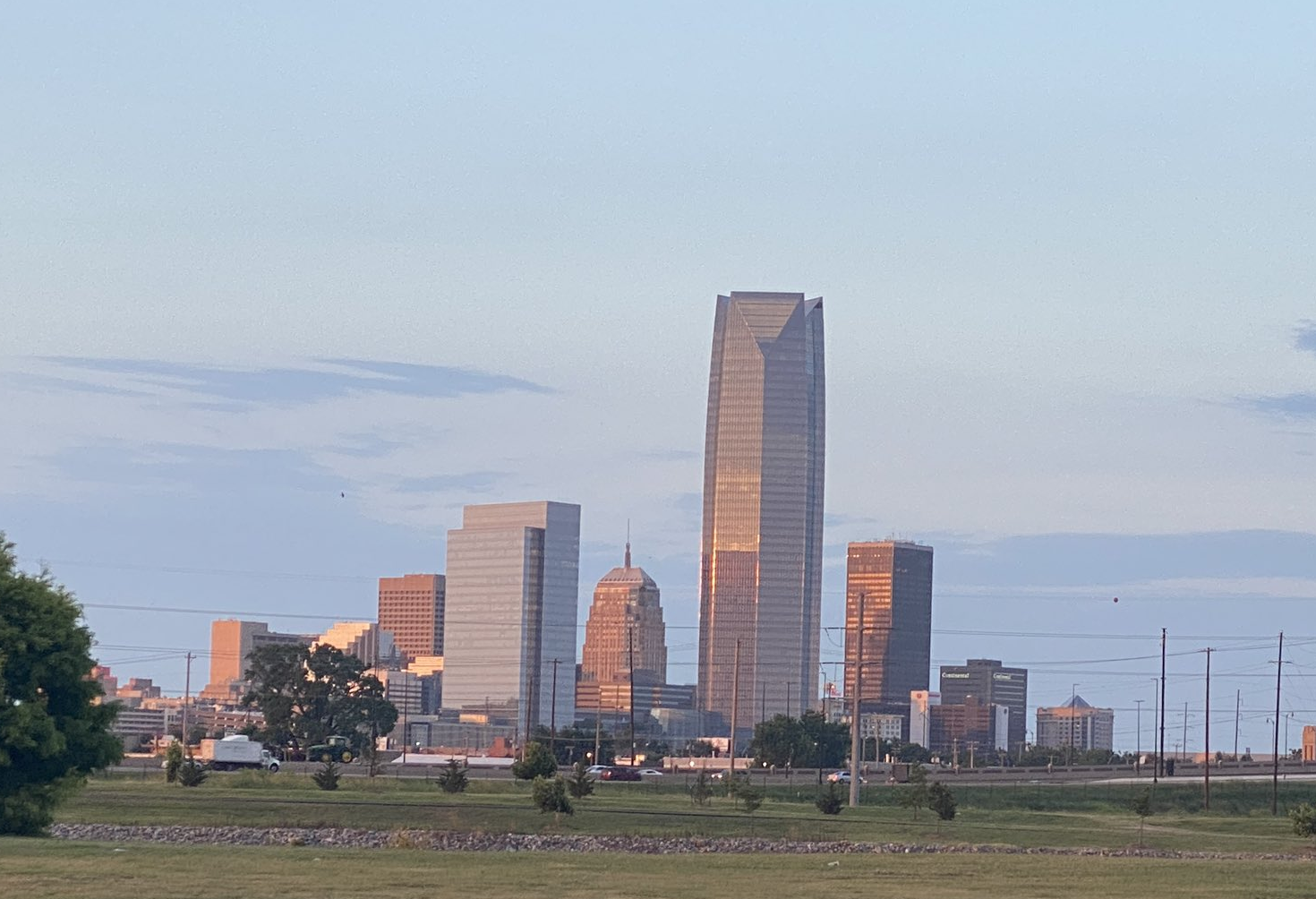
The establishment of the State of Oklahoma on November 16, 1907, marked a significant chapter in the history of the United States. This event was the culmination of a complex tapestry of historical developments, involving early settlements, the creation of territories, and political maneuvers.
The history of Oklahoma is deeply intertwined with the stories of Native American tribes and European settlers. Prior to European contact, diverse indigenous tribes inhabited the region for thousands of years. With the arrival of Europeans, the area saw a series of settlements and land disputes. However, a pivotal moment came with the Indian Removal Act of 1830, which led to the forced relocation of thousands of Native Americans from their ancestral lands in the Southeastern United States to the area that would become Oklahoma. This tragic episode, known as the Trail of Tears, profoundly shaped the region’s demographic and cultural landscape.
The mid-19th century saw further evolution in the region, with the establishment of the Territory of Oklahoma and the Indian Territories. The Territory of Oklahoma was originally set aside for the resettlement of Plains Indians and other tribes. In contrast, the Indian Territories were designated as a region where Native American tribes could govern themselves with a degree of autonomy. This dual territorial system reflected the United States government’s inconsistent and often contradictory policies towards Native American lands.
The decision to combine these two territories into the State of Oklahoma was driven by several factors. The discovery of oil in the region brought a surge of economic interest and population growth. Non-Native settlers, drawn by the promise of wealth and land, increasingly encroached on the Indian Territories. The U.S. government, seeking to manage this influx and the resulting tensions, saw statehood as a solution. Moreover, the political climate of the early 20th century, with its emphasis on expansion and progress, favored the integration of territories into the union as states.
Oklahoma’s admission into the Union had significant political impacts on the United States. As the 46th state, it added to the growing political and economic power of the country. Oklahoma’s rich natural resources, particularly oil, contributed to the nation’s industrial growth. Politically, the state has played a pivotal role in national elections and policy discussions, reflecting both conservative and progressive tendencies over the years.
The celebrations marking Oklahoma’s statehood were filled with both joy and complexity. There were grand parades and public festivities, reflecting the pride of a region stepping into a new era. However, these celebrations were also tinged with the awareness of the cost paid by Native American tribes, whose autonomy and lands were further diminished by statehood.
The legacy of the State of Oklahoma is multifaceted. It is a state marked by rich cultural diversity, with deep Native American roots and a strong sense of community. Economically, it has been a significant contributor to the nation, especially in the energy sector. However, Oklahoma also carries the legacy of the difficult and often painful history of its formation, a reminder of the complexities and challenges in the American narrative of progress and expansion.
The establishment of the State of Oklahoma was not just a political event but a milestone in the ongoing story of the United States. It reflects a history of convergence and conflict, progress and pain, highlighting the dynamic and often controversial nature of state formation in America.


 DAVE DOES HISTORY
Leave a comment