
The Twilight Zone, a name that resonates with multiple generations, is not just a television series; it’s an experience, an exploration of the unknown, and a philosophical dive into the human condition. As we delve into its origins, tones, talent, and legacy, you’ll discover why it has stood the test of time.
The Twilight Zone first graced television screens on October 2,1959 and ran until 1964. Conceived by Rod Serling, a prolific writer and the show’s face, it was a departure from the then-typical TV offerings. Instead of focusing on a central cast or setting, The Twilight Zone was an anthology series, presenting new characters and stories in each episode, usually with a twist ending or moral lesson.
The Twilight Zone was renowned for its ability to mix science fiction, fantasy, and horror in a way that wasn’t just about extraterrestrials or monsters, but about the very nature of humanity itself. The show frequently dealt with social issues of the era, albeit cloaked in metaphor. From the dangers of unchecked technology to the biases and prejudices that drive individuals, the stories reflected societal concerns. Moreover, its twist endings often left viewers with more questions than answers, prompting deep introspection.
While Rod Serling penned many of the episodes, The Twilight Zone also showcased the talents of other notable writers like Richard Matheson and Charles Beaumont. This diverse pool of writers ensured a wide array of stories and tones throughout the series.
The show, not being tied down to a permanent cast, had the luxury of featuring many up-and-coming actors who would later become major stars. Notable actors included William Shatner, Burgess Meredith, and Robert Redford among many others. Each episode was a chance to see fresh faces delivering powerful performances.
Selecting the best episodes from such a rich tapestry is subjective, but a few standouts include:
1. “Time Enough at Last” – Burgess Meredith plays a man who just wants some peace and quiet to read. When he finally gets his wish, the results are both ironic and tragic.
2. “Nightmare at 20,000 Feet” – William Shatner stars as an airline passenger who spots a creature on the wing of the plane, but can’t convince anyone else of its existence.
3. “The Monsters Are Due on Maple Street” – A tale about a suburban street that descends into paranoia and chaos, reflecting the Red Scare and McCarthyism.
4. “The Invaders” – Agnes Moorehead confronts tiny alien invaders in her remote farmhouse, leading to a twist ending.
Of course, there are dozens to choose from, and my personal favorite is The Thirty Fathom Grave. Meanwhile the MILSURPWRITER seems to lean into the episode “He’s Alive” (and others). The main point being that there are as many favorites as episodes. And they are all thought provoking and discussion starters.
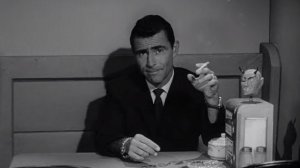
Public Domain
The Twilight Zone left an indelible mark on television. It broke the mold, proving that TV could be both entertaining and thought-provoking. Its format has inspired countless anthologies that followed, from “Black Mirror” to “The Outer Limits.” The show’s themes remain relevant, addressing timeless human concerns, making it a series that every new generation can rediscover and appreciate. Its iconic opening music and Serling’s chilling introductions have cemented its place in pop culture, with phrases like “You’ve just entered the Twilight Zone” becoming part of the lexicon.
In conclusion, The Twilight Zone stands as a testament to the power of television as a medium to challenge, entertain, and make us reflect on our own humanity. Through its stories, characters, and iconic twists, it invites us to step into another dimension, not only of sight and sound but of mind.



 DAVE DOES HISTORY
Leave a comment