
Senator Bob Dole, born on July 22, 1923, in Russell, Kansas, was a prominent American politician and statesman who dedicated his life to public service. Throughout his long and distinguished career, Dole served as a United States Senator, House of Representatives member, Senate Majority Leader, and a presidential candidate. Known for his leadership, bipartisanship, and advocacy for veterans, Dole’s impact on American politics and society remains profound. This biography will explore the various chapters of his life, from his early years to his enduring legacy.
Bob Dole grew up in a modest family in Russell, Kansas, where he learned the values of hard work, determination, and patriotism. In 1942, he joined the Army during World War II, volunteering for active duty despite a severe shoulder injury from a high school football accident. Dole demonstrated resilience and bravery during his military service and was twice awarded the Bronze Star for his valor in combat. In April 1945, during the Italian Campaign, he suffered a near-fatal injury that left his right arm paralyzed. Dole’s wartime experiences profoundly influenced his character and sense of duty, shaping his future commitment to fellow veterans.
After returning from the war, Dole pursued higher education at the University of Kansas and earned his law degree in 1952. He married Phyllis Holden in 1948, and their enduring partnership would be a cornerstone of his political journey. In the 1950s, Dole entered Kansas politics, serving as a county attorney and later as a member of the Kansas House of Representatives. In 1960, he was elected to the United States House of Representatives, where he established himself as a pragmatic conservative and built alliances across the aisle.
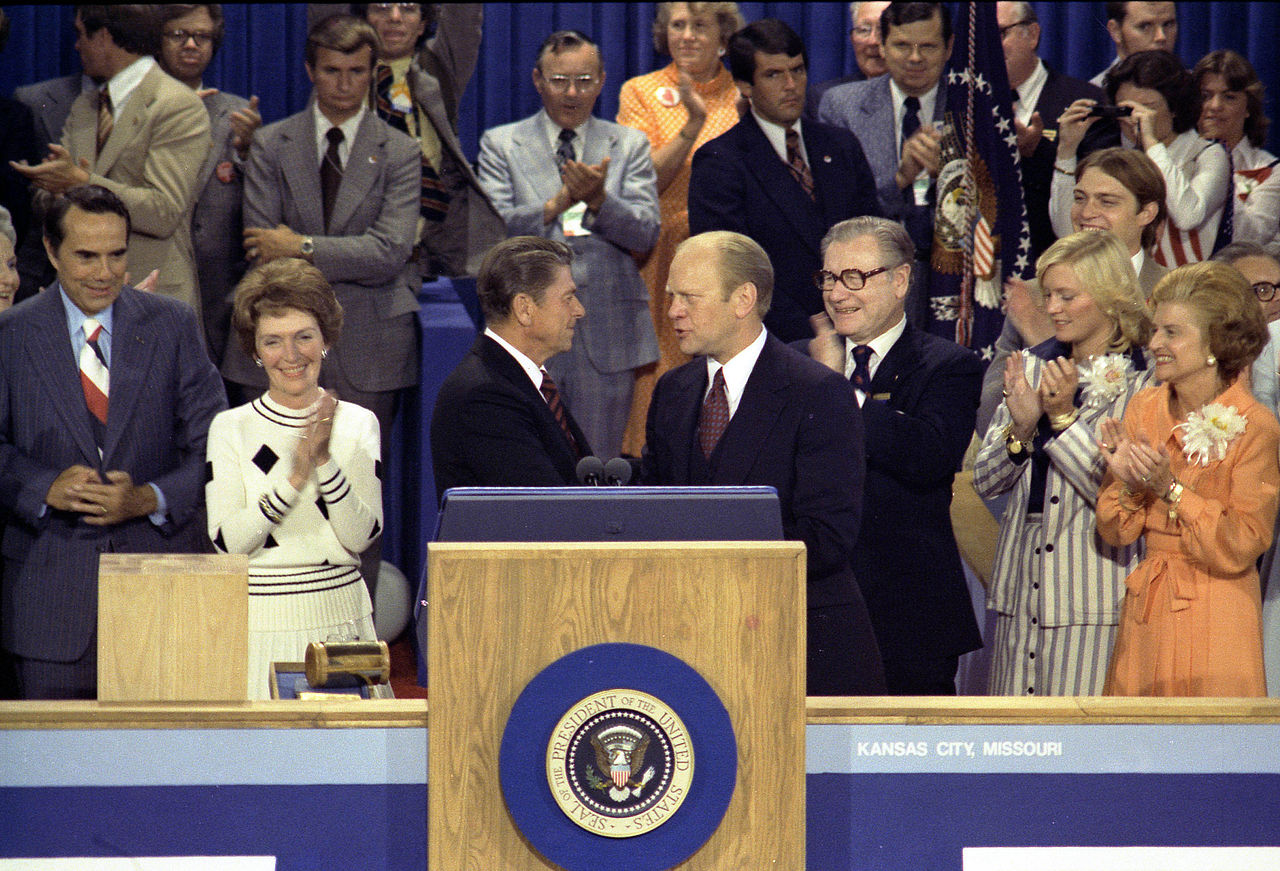
(Public Domain)
In 1968, Dole was elected to the United States Senate, representing Kansas, where he would serve for an impressive 27 years. As a Senator, Dole became known for his bipartisan approach and skill in building consensus. In 1985, he assumed the role of Senate Majority Leader, becoming a key figure in shaping legislative priorities during the Reagan and Bush administrations. Dole’s leadership during this period helped enact significant legislation, including the Tax Reform Act of 1986 and the Americans with Disabilities Act.
In 1996, Bob Dole sought the highest office in the land by running for the presidency as the Republican nominee. Despite facing a challenging political landscape, he brought a wealth of experience and a reputation for pragmatism to his campaign. Dole emphasized tax cuts, welfare reform, and a strong national defense, while also addressing issues such as Medicare and Social Security. Despite his best efforts, Dole faced an uphill battle against the popular incumbent President Bill Clinton and ultimately lost the election.
The 1996 Presidential campaign was a highly contested political battle between incumbent Democratic President Bill Clinton and Republican nominee Senator Bob Dole. The campaign was characterized by contrasting policy positions, robust debate, and an emphasis on the economy, social issues, and the role of government. Let’s delve into the key aspects of the 1996 Presidential campaign:
(Public Domain)
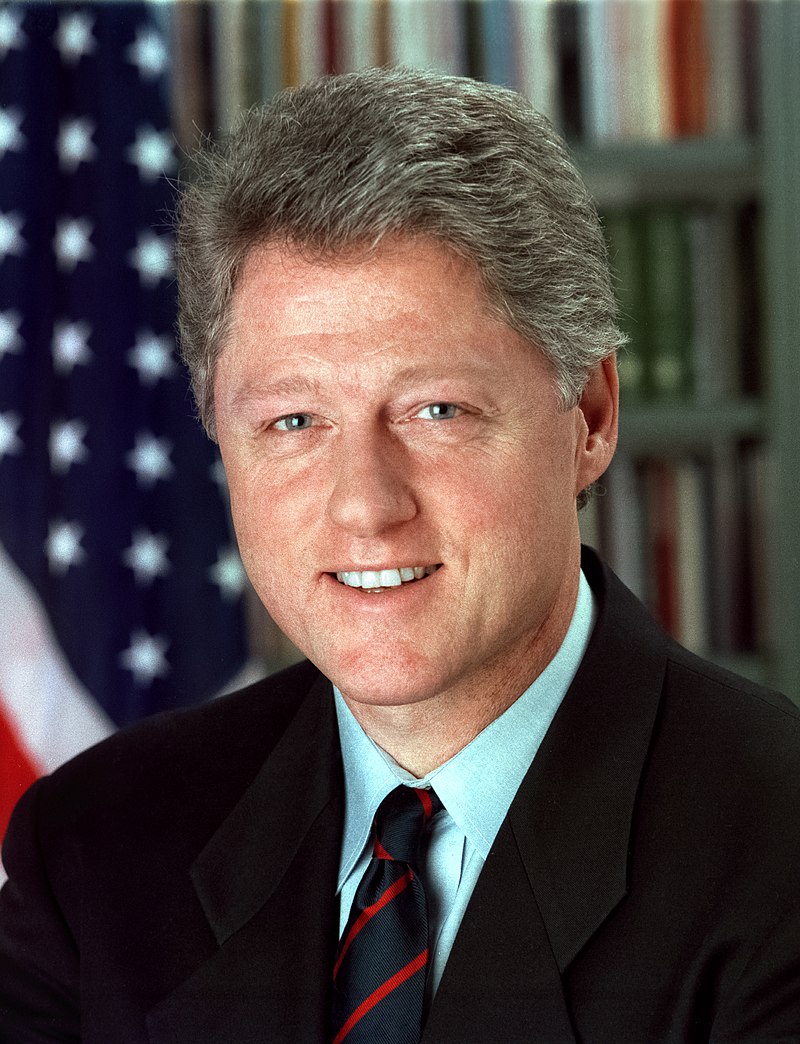
Bill Clinton, the 42nd President of the United States, sought re-election in 1996. He had won the presidency in 1992 with a message of “Putting People First” and a focus on economic issues. During his first term, the country experienced significant economic growth, declining unemployment, and a budget surplus. Clinton’s approval ratings were generally high, and he was widely seen as a charismatic and effective communicator.
Bob Dole, a highly respected and experienced politician, secured the Republican nomination for President in 1996. As a seasoned U.S. Senator from Kansas and former Senate Majority Leader, Dole brought a wealth of legislative expertise to his campaign. He was known for his pragmatic conservatism and willingness to work across party lines to achieve results.
Key Issues of the Campaign:
1. Economy: The state of the economy was a central theme of the 1996 campaign. President Clinton highlighted the economic progress made during his first term and argued that his policies had contributed to the strong economy and job growth. Dole, on the other hand, emphasized his economic plan, which included across-the-board tax cuts and reducing the federal deficit.
2. Welfare Reform: The issue of welfare reform was also prominent during the campaign. President Clinton had signed the Personal Responsibility and Work Opportunity Reconciliation Act in 1996, which aimed to transform welfare from an entitlement to a work-based system. Dole supported welfare reform but criticized the Clinton administration’s approach, arguing that it did not go far enough in promoting self-sufficiency.
3. Healthcare: Both candidates presented different visions for healthcare reform. President Clinton advocated for expanding access to healthcare through the Children’s Health Insurance Program (CHIP) and other measures. Dole, while supporting some aspects of healthcare reform, criticized Clinton’s approach as too bureaucratic and costly.
4. Social Issues: Social issues, including abortion, gay rights, and crime, also played a role in the campaign. Dole positioned himself as a social conservative, while President Clinton appealed to a broader coalition, including more liberal and moderate voters.
Campaign Strategies
1. Bill Clinton’s Strategy: President Clinton ran a confident and optimistic campaign, touting his accomplishments in the economy and seeking to capitalize on his high approval ratings. He emphasized his commitment to the middle class, expanding access to healthcare, and social issues that resonated with his base.
2. Bob Dole’s Strategy: Senator Dole sought to portray himself as a seasoned leader with a strong vision for the future. He presented his tax-cut plan as a way to stimulate economic growth and emphasized his experience in Congress as an advantage for getting things done in Washington.
The 1996 Presidential campaign featured two debates between Clinton and Dole. The debates covered a range of topics, allowing both candidates to articulate their policy positions and challenge each other’s proposals. While the debates were informative, they did not significantly alter the trajectory of the race.
In the 1996 Presidential election held on November 5, 1996, President Bill Clinton was re-elected, securing 379 electoral votes to Dole’s 159. Clinton won 49.2% of the popular vote, while Dole garnered 40.7%. Independent candidate Ross Perot, who also ran in 1992, received 8.4% of the popular vote.
The 1996 Presidential campaign was an engaging contest between President Bill Clinton and Senator Bob Dole, featuring vigorous debates and differing policy visions for the country. Ultimately, Clinton’s message of continued economic growth and his broad coalition of supporters contributed to his successful re-election bid, solidifying his place in history as one of only a few Democratic Presidents to be re-elected to a second term in the 20th century.
Following his presidential bid, Dole continued to play an active role in public life. He was a strong advocate for veterans, pushing for better healthcare and support services for those who served their country. His efforts culminated in the establishment of the World War II Memorial in Washington, D.C., which honors the sacrifices of the “Greatest Generation.” Dole also worked on a range of issues, including disability rights, nutrition, and foreign policy.
In 1996, Dole resigned from the Senate to focus on his health and other ventures. He became a sought-after public speaker and commentator, offering insights and wisdom gained from his long career in public service. In recognition of his dedication to the nation, Dole was awarded the Presidential Medal of Freedom by President Clinton in 1997.
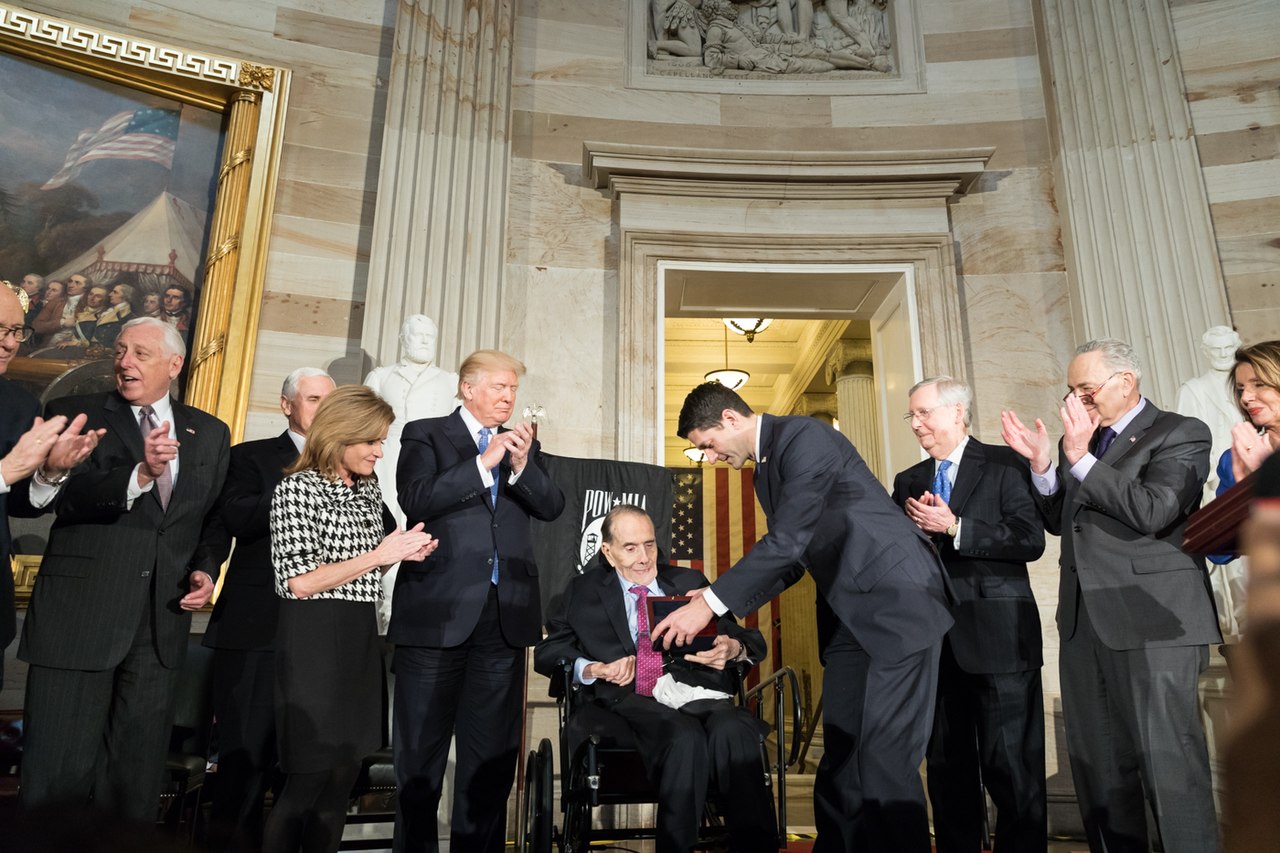
Senator Bob Dole’s life and career exemplified the values of service, leadership, and bipartisanship. From his early experiences as a soldier in World War II to his decades of service in the U.S. Congress, Dole’s impact on American politics and policy is profound. His dedication to veterans’ rights, disability advocacy, and the country as a whole cemented his status as a respected statesman and patriot. Throughout his life, Bob Dole remained an exemplar of public service, leaving behind a legacy that continues to inspire and guide future generations of leaders.



 DAVE DOES HISTORY
Leave a comment