
The execution of Tsar Nicholas II, his wife Alexandra, and their five children on July 17, 1918, marked the end of the Romanov dynasty’s rule in Russia. The execution took place in Yekaterinburg, a city in the Ural Mountains region, where the family had been held in captivity since their forced abdication in March 1917. The Bolsheviks, led by Vladimir Lenin, were in control of Russia at the time, and the execution was carried out on their orders.
The Russian Revolution began in 1917, triggered by widespread discontent with the autocratic rule of Tsar Nicholas II, the country’s involvement in World War I, and severe economic and social issues. Mass protests and strikes led to the abdication of the Tsar in February 1917, ending the Romanov dynasty’s reign.
The Provisional Government, formed after the Tsar’s abdication, attempted to govern Russia but faced numerous challenges, including growing opposition from radical left-wing groups like the Bolsheviks, who sought to establish a socialist state.
Following their abdication, the Tsar and his family were placed under house arrest in the Alexander Palace at Tsarskoye Selo, near Saint Petersburg. In August 1917, after the Bolsheviks gained power, the Romanovs were relocated to Tobolsk in Siberia.
However, as the Russian Civil War intensified, the Bolsheviks feared that the presence of the former royal family could become a rallying point for counter-revolutionary forces. In April 1918, the decision was made to move the Romanovs to Yekaterinburg, a city under Bolshevik control.
On the night of July 16-17, 1918, the Bolshevik authorities ordered the execution of the Romanovs. The exact details of the events leading up to the execution and the execution itself have been a subject of historical debate and revision, with new evidence and testimonies emerging over the years.
Public Domain
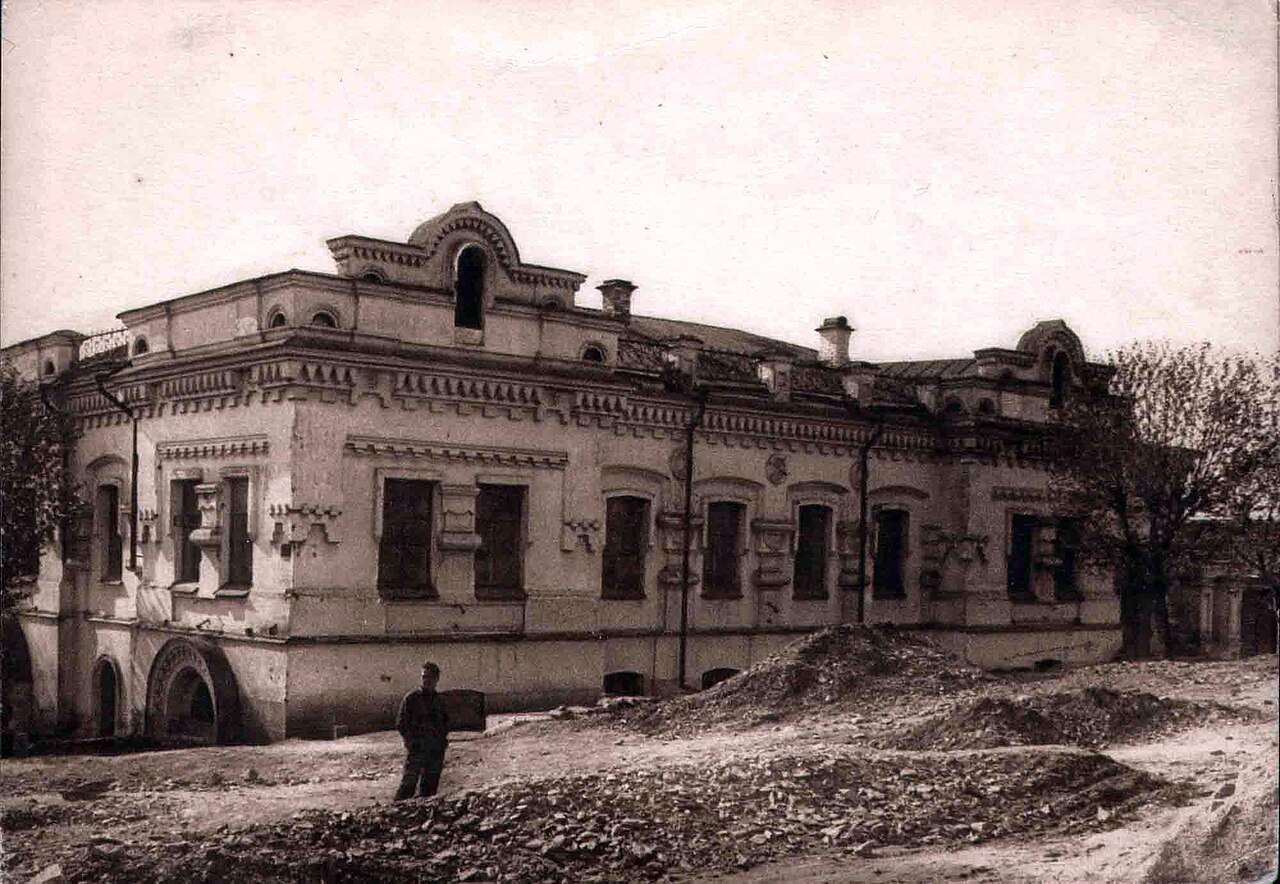
According to most historical accounts, the Romanov family, along with a few loyal servants, were gathered in the basement of the Ipatiev House, their place of captivity in Yekaterinburg. The Bolshevik executioners, led by Yakov Yurovsky, arrived and informed the family that they would be moved to a safer location due to the escalating civil war.
Once the family was inside the basement, Yurovsky read the order for their execution. The Tsar, Tsarina, and their children were killed by a firing squad. The exact sequence of events and the individual fates of each family member have been the subject of ongoing historical investigation.
For years, the Bolshevik authorities denied the execution and whereabouts of the Romanovs. However, as more evidence came to light, it became increasingly clear that the family had been executed in Yekaterinburg.
In 1991, following the collapse of the Soviet Union, the remains of the Romanov family were found in a mass grave near Yekaterinburg. After extensive forensic examination and DNA analysis, the remains were positively identified as those of Tsar Nicholas II, Tsarina Alexandra, and three of their children. In 2007, the remains of their two other children were discovered nearby, conclusively confirming the fate of the entire Romanov family.
The execution of the Tsar and his family remains a tragic and significant event in Russian history, representing the violent end of a centuries-old monarchy and the beginning of a new era of communist rule under the Bolsheviks. The Romanovs were later canonized as martyrs by the Russian Orthodox Church and are now remembered as “The Holy Royal Martyrs” by many Russians.




 DAVE DOES HISTORY
Leave a comment