
The Vel’ d’Hiv roundup, also known as the Rafle du Vel’ d’Hiv, was a mass arrest of Jews that took place in Paris, France, during World War II. It occurred on July 16 and 17, 1942, and was one of the darkest episodes of the Holocaust in France.
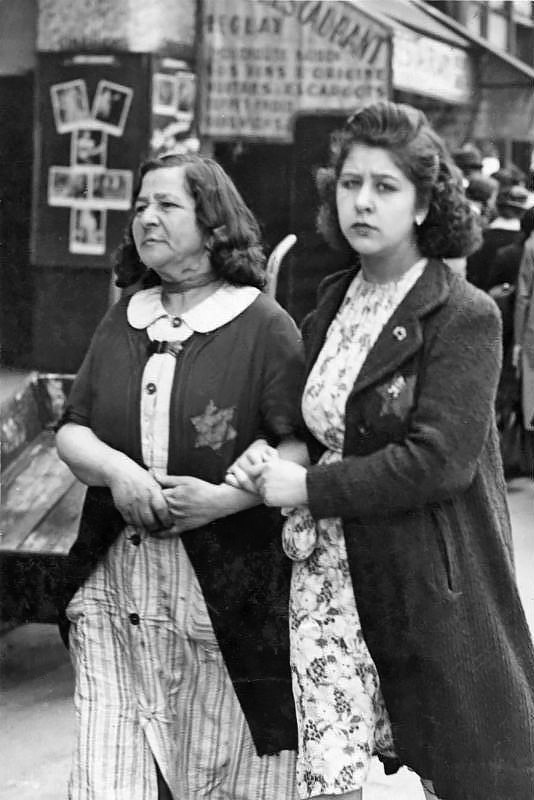
During the early 1940s, Nazi Germany had occupied France, and the Vichy government, a collaborationist regime, was established in the unoccupied zone. Under German influence and anti-Semitic policies, the Vichy government actively cooperated with the Nazi authorities in implementing anti-Jewish measures.
On the morning of July 16, 1942, French police, under the orders of the Vichy government, began a large-scale operation to arrest Jewish people residing in Paris. The roundup targeted men, women, and children, indiscriminately gathering Jewish families from their homes, schools, workplaces, and public spaces. The arrests were swift and conducted with little warning or regard for personal belongings.
The arrested Jews were initially held at the Vélodrome d’Hiver, a sports stadium located in the 15th arrondissement of Paris, which is why the event is commonly referred to as the Vel’ d’Hiv roundup. The stadium was overcrowded and provided deplorable living conditions for the detainees, with little access to food, water, or sanitary facilities.
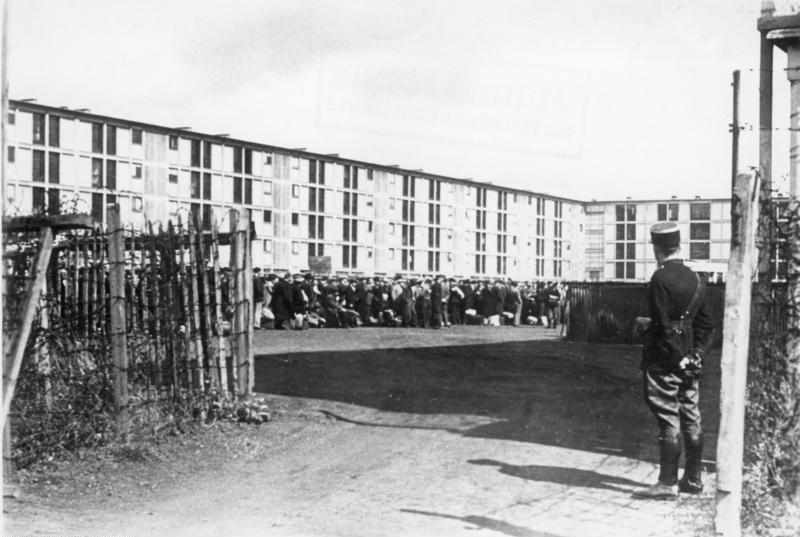
Following their detention at the stadium, the Jews were subsequently transferred to internment camps located in the Paris region. From there, many were deported to concentration camps in Eastern Europe, where most of them faced horrific fates, including extermination in gas chambers.
Approximately 13,000 Jews were arrested during the Vel’ d’Hiv roundup, including 4,051 children. The families were separated, and many of the children were sent to the Beaune-la-Rolande camp, where they were held under appalling conditions before deportation.
Most of those arrested during the Vel’ d’Hiv roundup were ultimately sent to Auschwitz concentration camp in occupied Poland, where the vast majority of them were murdered upon arrival. Only a small number of individuals from this roundup survived the war.
The Vel’ d’Hiv roundup stands as a tragic symbol of collaboration between the Vichy government and Nazi Germany during the Holocaust. In the decades following World War II, France grappled with its wartime history and the collaborationist actions of its government. It was only in the 1990s that French presidents acknowledged the country’s responsibility for the roundup and its participation in the Holocaust, officially recognizing the role of the French state in this dark chapter of history.
Today, memorials and commemorative events serve to honor the memory of the victims and ensure that the Vel’ d’Hiv roundup is never forgotten. The tragedy continues to be a somber reminder of the atrocities committed during the Holocaust and the importance of remembering and learning from history to prevent such horrors from happening again.




 DAVE DOES HISTORY
Leave a comment