
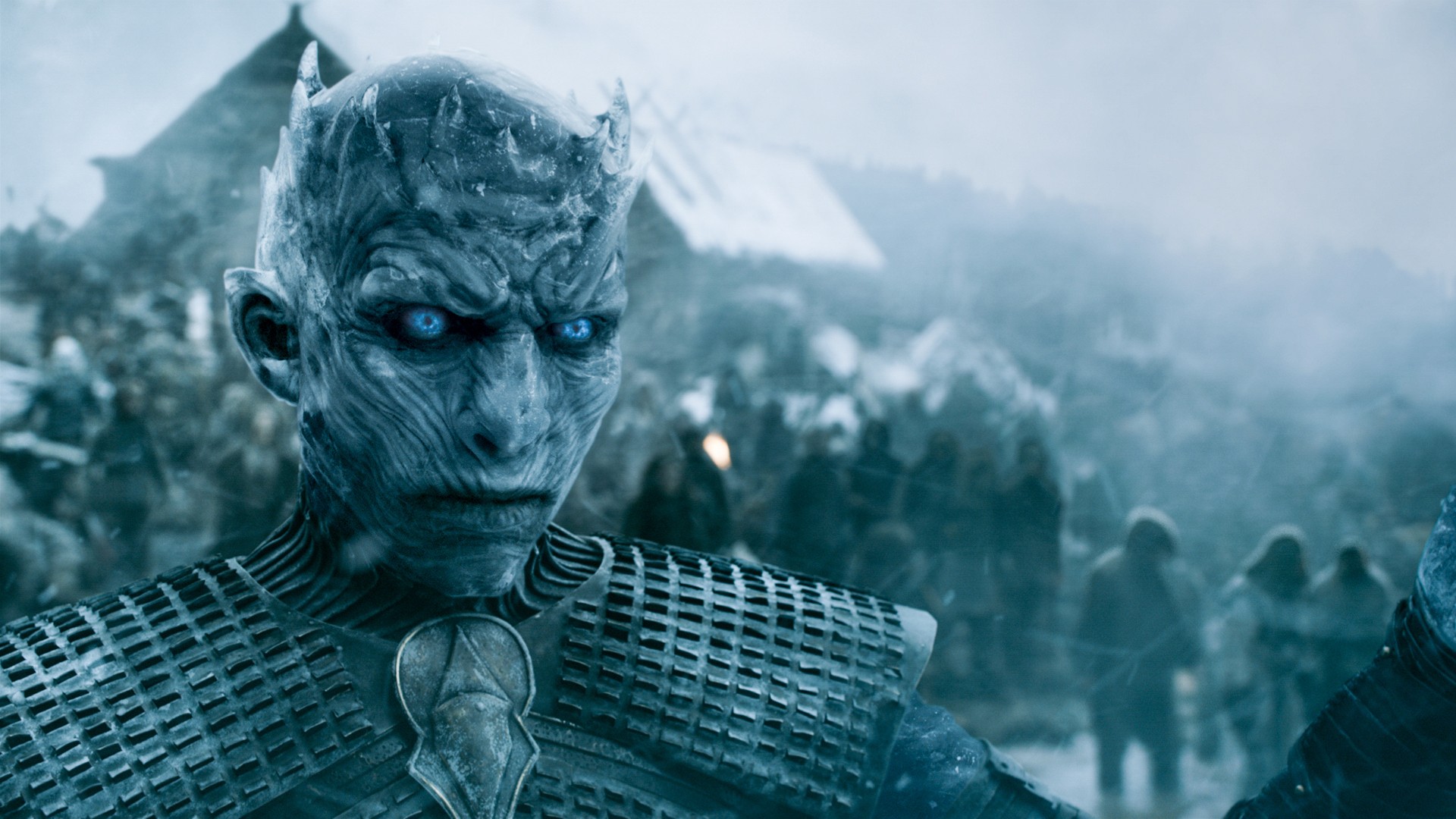
 In his new book, ‘Wasteland: The Great War and the Origins of Modern Horror,’ historian W. Scott Poole argues the Great War gave filmmakers the visual language that makes up scary movies.
In World War I, or what’s referred to as the Great War, 16 million people were killed and over 20 million injured. It was destruction on a global scale the likes of which the world had never seen. In fact, despite the numbers, we’ll never know the full story of the war’s devastation. The casualties were catastrophic, and civilians became targets not only in Europe but in sub-Saharan Africa and the Middle East. The Allied blockade caused an unknown number of deaths in Germany and it continued even after the armistice and into the peace negotiations, causing widespread starvation. The true casualty rates may actually be over 40 million. But the numbers do not tell the whole story.
In a new book, Wasteland: The Great War and the Origins of Modern Horror, out October 16 on Counterpoint Press, historian W. Scott Poole looks at how the horror genre slowly evolved and took shape after World War I. Major films, with themes still recognizable to horror fans today, like J ’accuse (1919), The Cabinet of Dr. Caligari (1920), and Nosferatu (1922) all appeared within a few years after the end of the conflict. Almost all were produced, directed, and written by veterans who had seen some of the worst of the fighting. VICE talked to Poole to find out why the birth of the horror genre was rooted in the destruction of the Great War, how the definition of the word horror evolved over the years, the debt the White Walkers from Game of Thrones owe the conflict, and the images of the fighting that still linger today.
VICE: Why are you convinced the birth of the modern horror genre was rooted in the destruction of the Great War?
W. Scott Poole: The macabre had existed long before the Great War, in epics, gothic novels, the work of Shelley and Stoker and Baudelaire. But new themes that we connect with horror—dismemberment, mutilation, the dead that return for revenge, the sense that not only a house might be haunted, but that the whole world could become a charnel house—this appeared for the first time and found a far larger audience. What I have seen in the writings of veterans, including those who became some of the first horror auteurs, is a desire to compulsively relive the trauma over and over again. Horror is a language of trauma.
Source: Nearly Every Horror Movie You Love Is Actually About World War I – VICE


 DAVE DOES HISTORY
Leave a comment