
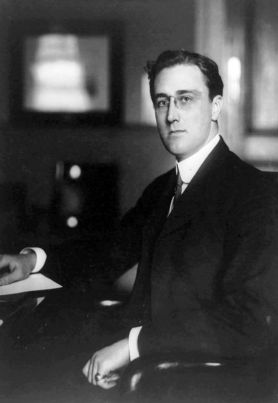
 In my view, Al Smith is one of the most interesting and unfortunate characters in American History. The first Presidential candidate basically defeated for his religious views, he had a lot of traits that I would have liked and supported. Looking forward to reading this book.
-DB
Like many state senators in the spring of 1912, Franklin Roosevelt was a busy man. The Triangle fire and the work of the Factory Investigating Commission had transformed the debates in Albany and inspired legislation and regulations that historians would later celebrate as milestones of progressive thought. In the byzantine corridors of the capitol, beefy men from the city like Big Tim Sullivan and Thomas McManus, Roosevelt’s colleagues in the state senate, proceeded to their offices with a new urgency, for there were bills to pass and causes to adopt and constituents to satisfy—constituents who were making it clear that times had changed and they wanted more than a friendly ear in the clubhouse and a chance to line up for free shoes for their children.
But Franklin Roosevelt’s crowded schedule in the spring of 1912 had little to do with Albany’s new agenda. In fact, the earnest lobbying for new social welfare and labor laws was becoming downright tiresome. As lawmakers were beginning to pass the bills Smith and Wagner wrote, Frances Perkins seized on the momentum to get her fifty-four-hour bill passed. It was a critical piece of the reformers’ agenda, and, she reckoned, the practical politicians could no longer run away and hide from the issue just because a few factory owners objected. She was right: lawmakers like Sullivan and McManus and other roughnecks, as she called them with increasing affection, were lining up in support of the bill.
 The bill was a natural, she figured, for Franklin Roosevelt. She saw him one day as he was preparing to leave the senate chamber, tall and handsome and utterly unapproachable. She approached him anyway. As other senators brushed by, Perkins raised her eyes to Roosevelt’s and told him about the fifty-four-hour bill, explaining how it would improve the lives of working women and would help, in some small way, to ease the exploitation of industrial workers.
The young senator did not attempt to disguise his utter lack of interest. “No, no,” he said as he waved her way. “More important things. Can’t do it now. Can’t do it now. Much more important things.” He rushed away, head in the air, leaving Frances Perkins to wonder how this man Roosevelt could be so “absurd”—a favorite word of hers.
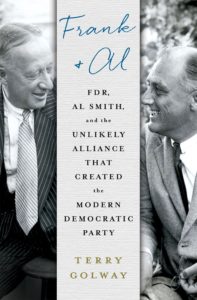
Read an excerpt from FRANK AND AL—the inspiring story of an unlikely political partnership that transformed the Democratic Party and led to the New Deal
Source: The History Reader – A History Blog from St. Martins Press



 DAVE DOES HISTORY
Leave a comment