
Hawley Harvey Crippen, an American homeopathic doctor, became infamous for his role in one of the most sensational murder cases of the early 20th century. Born in Michigan in 1862, Crippen moved to London, where he lived with his wife, Cora, a music hall performer. Their relationship was troubled, and in 1910, after Cora mysteriously disappeared, Crippen claimed she had returned to America. Suspicion arose when police discovered a dismembered body in the cellar of their home, leading Crippen to flee with his secretary and lover, Ethel Le Neve.
Crippen’s capture marked a historic moment in criminal investigations, as it was the first case in which radio technology was used to apprehend a fugitive. When Crippen and Ethel attempted to escape by ship to Canada, the ship’s captain recognized them and used the newly developed wireless telegraph to alert authorities. Scotland Yard inspector Walter Dew intercepted the pair in Canada, making Crippen’s arrest one of the most dramatic and well-publicized manhunts of the era. This case showcased the power of new technology in law enforcement, forever changing how criminals could be tracked and caught in an increasingly interconnected world.
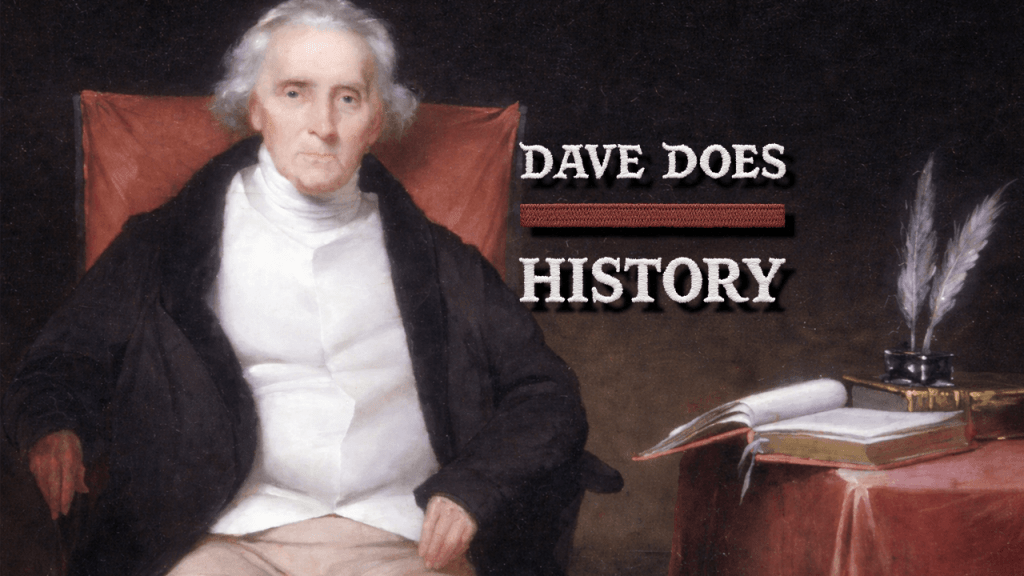
Welcome back, history buffs and curious minds! If you missed the latest Dave Does History segment on the Bill Mick Live show, you’re in for a treat. This week, our favorite history enthusiast, Dave Bowman, took us on a wild ride through the early 20th century, recounting the gripping tale of **Hawley Harvey Crippen**, a mild-mannered American doctor who found himself at the center of one of Britain’s most notorious murder cases.
But here’s where things get interesting—it wasn’t just your average love-triangle-turned-murder. No, this case marked a world first: the capture of a fugitive using the revolutionary new technology of radio. That’s right—wireless communication was just starting to change the world, and Crippen would learn firsthand that technology can connect more than just people. It can also connect law enforcement to their suspect, no matter how far they try to run.
A Troubled Marriage in Edwardian London
Crippen, who had moved to London with his wife Cora (a “Music Hall performer,” which, as Dave humorously explained, is code for something akin to a can-can dancer), was stuck in a bad marriage. Cora’s larger-than-life personality clashed with Crippen’s quiet, reserved demeanor, and tensions ran high in their relationship. Meanwhile, Crippen had fallen for his secretary, Ethel Le Neve, a much younger woman, and their affair only fueled the flames of marital discontent.
When Cora mysteriously disappeared in 1910, Crippen told everyone that she had returned to America, but this explanation didn’t sit well with her friends. It didn’t help that young Ethel suddenly started wearing Cora’s jewelry. Suspicion grew, and when police discovered a dismembered body buried in the cellar of Crippen’s house, things quickly spiraled out of control.
Fleeing Across the Atlantic
Crippen and Ethel panicked, fleeing England disguised as father and son aboard the SS Montrose, bound for Canada. This is where the story takes a pivotal technological turn—Captain Henry Kendall, a savvy early adopter of the wireless telegraph, recognized Crippen and used the new technology to alert Scotland Yard. In a thrilling pursuit, Chief Inspector Walter Dew boarded a faster ship, intercepted the Montrose, and captured Crippen before he could reach freedom. It was the first time in history that radio technology was used to apprehend a fugitive, marking the beginning of a new era in global law enforcement.
A Case That Still Haunts Us
Crippen’s trial was swift and sensational. Although the forensic evidence was far from airtight—this was 1910, after all—the jury took just 27 minutes to find him guilty, and he was hanged in November of that year. However, as Dave pointed out during the show, modern DNA testing conducted in the early 2000s has thrown the case into doubt. Analysis of the remains found in the cellar suggests that they may not have been Cora’s at all, and that Crippen could have been innocent. Was he truly guilty, or did Edwardian justice get it wrong? We may never know.
The True Star: Radio Technology
Beyond the crime itself, Dave highlighted how **radio technology** stole the spotlight in this case. This was the first time wireless communication was used in a manhunt, and it paved the way for the modern, tech-savvy police work we see today. Whether it’s tracking a suspect’s cell phone or intercepting digital communications, it all started with the arrest of Hawley Harvey Crippen. Dave reflected on how technology continues to evolve, but human behavior—murderous love triangles and all—remains shockingly consistent through the ages.
What’s Next?
Dave never disappoints, and this week’s dive into the Crippen case was no exception. For those of us who can’t get enough of historical crime, technological breakthroughs, and a good dose of humor, **”Dave Does History”** is always a highlight. Next week, Dave will be covering the incredible story of the only enlisted submariner to receive the Medal of Honor—a tale you won’t want to miss.
Until then, make sure to check out the full episode in the On Demand Podcast section at BillMick.com, and get ready for another fascinating trip through time with Dave Bowman next Tuesday.



 DAVE DOES HISTORY
Leave a comment