
On July 17, 1918, RMS Carpathia, a vessel celebrated for its heroic role in the Titanic disaster, met its tragic end during the tumultuous days of World War I. This article delves into the history of the Carpathia, its crucial involvement in wartime operations, and the fateful events that led to its sinking by a German U-boat, marking a poignant chapter in maritime history.
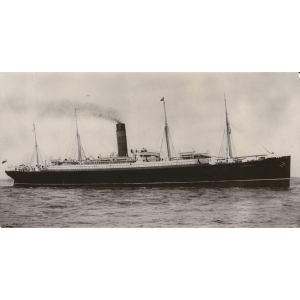
Constructed by C.S. Swan & Hunter at Wallsend, England, the RMS Carpathia was launched on August 6, 1902. Owned by the Cunard Line, the ship was designed to cater to the increasing demand for transatlantic travel. With a capacity of approximately 1,700 passengers, Carpathia provided comfort and reliability, becoming a preferred choice for many voyagers.
The ship’s name became synonymous with bravery and prompt action on April 15, 1912, when it responded to distress signals from the RMS Titanic. Despite being 58 miles away, Captain Arthur Rostron and his crew navigated through dangerous ice fields to rescue 705 survivors, an act that earned widespread admiration and accolades.
The outbreak of World War I in 1914 saw the Carpathia repurposed for wartime service. The ship was utilized for transporting troops, supplies, and occasionally, passengers. Despite the increased risks of navigating waters patrolled by enemy submarines, the Carpathia undertook multiple voyages, contributing to the Allied war effort.
On July 15, 1918, the RMS Carpathia departed from Liverpool, bound for Boston, with 223 passengers and crew on board. The journey was perilous, as German U-boats had intensified their attacks on Allied shipping lanes.
Two days into the voyage, on July 17, 1918, the Carpathia encountered the German submarine U-55, commanded by Wilhelm Werner. Without warning, U-55 launched three torpedoes. The first struck the port side, causing significant damage. The second torpedo hit the engine room, killing five crew members instantly and crippling the ship’s power.
Despite the devastating attack, Captain William Prothero and his crew remained calm, initiating evacuation procedures. Lifeboats were deployed, and passengers were orderly ushered to safety. As the third torpedo struck, the Carpathia began to list heavily.
The rescue ship HMS Snowdrop arrived on the scene, aided by nearby vessels responding to the distress signals. All survivors were safely transferred, but the Carpathia was beyond saving. At approximately 12:40 PM, the RMS Carpathia sank, taking with it the legacy of a ship that had once been a beacon of hope and rescue.
The sinking of the RMS Carpathia had immediate repercussions. It underscored the relentless dangers faced by maritime vessels during World War I and highlighted the bravery of those who served aboard them. Public reaction was one of sorrow and admiration, with tributes pouring in for the ship and its crew.
Memorials were erected, and survivors shared their harrowing experiences, ensuring that the story of Carpathia lived on. The ship’s contribution during the Titanic disaster and its wartime service cemented its place in maritime history as a symbol of courage and dedication.
Reflecting on the loss of the RMS Carpathia, one cannot overlook its remarkable journey from a transatlantic liner to a wartime vessel. The ship’s final moments, marked by bravery and resilience, resonate as a testament to the human spirit in the face of adversity. The legacy of the Carpathia, enshrined in history, continues to inspire and remind us of the sacrifices made during times of conflict.




 DAVE DOES HISTORY
Leave a comment