
I remember the feeling of finishing reading “The Lottery” for the first time in the 7th Grade… There was, of course, the expected shock at the surprise ending, but what was odd was that I disliked Tessie Hutchinson from the beginning, so there was a perverse pleasure in the end of the story. Was that what Shirley Jackson had intended? I still do not know for certain…
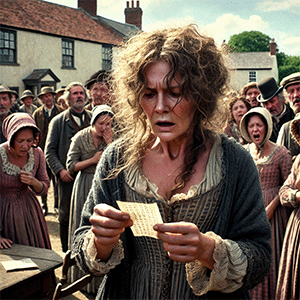 On June 26, 1948, Shirley Jackson’s short story “The Lottery” was published in The New Yorker, sparking a whirlwind of controversy and solidifying its place as a landmark in American literature. This seemingly simple tale of a small-town tradition would come to be one of the most studied and discussed short stories in modern times.
Shirley Jackson, an author known for her exploration of psychological horror and the macabre, drew inspiration from her observations of human behavior and societal norms. In the late 1940s, America was transitioning from the war years to a period of newfound prosperity and conformity. Jackson, who lived in the quiet town of North Bennington, Vermont, was struck by the underlying darkness she perceived in the everyday rituals and the potential for cruelty inherent in blind adherence to tradition.
Jackson wrote “The Lottery” in a single morning, a testament to her profound connection to the story’s themes. She crafted a narrative that reflected her views on the nature of human evil and the dangers of conformism. The story’s development was marked by its stark simplicity and the deliberate pacing that builds tension until the horrifying climax.
“The Lottery” was submitted to The New Yorker, where Jackson had previously published several works. The magazine, known for its discerning editorial standards, recognized the power and originality of the story. Despite its shocking content, the editors decided to publish it, setting the stage for an unprecedented public reaction. On June 26, 1948, “The Lottery” appeared in The New Yorker, forever changing the landscape of American short fiction.
Set in a small, rural town, “The Lottery” begins with a description of a beautiful summer day as the townspeople gather for an annual lottery event. The atmosphere is initially casual and festive, with children playing and adults chatting amiably. However, there is an undercurrent of tension as the villagers prepare for the ritual.
As the lottery proceeds, the head of each household draws a slip of paper from a black box. The reader soon realizes that this is no ordinary lottery; the “winner” of this draw faces a grim fate. The tension escalates as Tessie Hutchinson draws the marked slip of paper. In a shocking and brutal conclusion, the townspeople, including Tessie’s own family, turn on her, stoning her to death in a ritualistic act of violence.
The story concludes with the chilling reminder that this barbaric tradition has been accepted and perpetuated without question for generations.
The publication of “The Lottery” provoked an immediate and intense reaction. Readers flooded The New Yorker with letters expressing outrage, confusion, and horror. Some canceled their subscriptions, unable to reconcile the story’s brutal content with the magazine’s typically urbane and sophisticated offerings.
Critics were divided in their responses. Some praised Jackson’s masterful storytelling and the story’s powerful social commentary. Others criticized it as unnecessarily shocking and sensationalist. Despite the polarized reception, the story’s impact on Jackson’s career was profound, establishing her as a significant voice in American literature.
“The Lottery” has since become a staple in literary studies, appreciated for its exploration of themes such as the banality of evil, the power of tradition, and the potential for violence within any community. Its continued relevance is evident in its frequent inclusion in academic curricula and its influence on subsequent generations of writers.
“The Lottery” remains a powerful and unsettling work that challenges readers to reflect on the darker aspects of human nature and societal norms. Shirley Jackson’s keen insights and skillful storytelling have ensured that the story endures as a poignant and provocative piece of literature. As we continue to grapple with issues of conformity, tradition, and violence, “The Lottery” serves as a timeless reminder of the perils of unexamined customs and the capacity for cruelty that lies within us all.




 DAVE DOES HISTORY
Leave a comment