
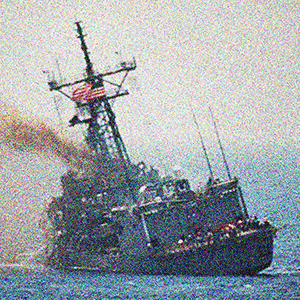
 On the fateful evening of May 17, 1987, the USS Stark, a guided-missile frigate of the United States Navy, found itself in the crosshairs of conflict in the tumultuous waters of the Persian Gulf. This incident marked a sobering chapter in the history of naval warfare, as the Stark became the target of two Exocet missiles fired by Iraqi aircraft during the Iran-Iraq War.
Commissioned on October 23, 1982, the USS Stark (FFG-31) was a formidable presence in the U.S. Navy’s fleet. Named after Admiral Harold Rainsford Stark, the ship was primarily tasked with escort duties and patrolling vital maritime routes, showcasing American naval power across the globe.
As tensions escalated during the Iran-Iraq War, the Middle East Task Force, comprising ships like the USS Stark, played a crucial role in safeguarding maritime interests, particularly in the Persian Gulf. Their mission included patrolling the Saudi coast to deter aggression and ensure the safe passage of commercial vessels amidst the conflict.
At 22:09 local time, tragedy struck as two Iraqi Mirage F1 fighter jets, armed with Exocet missiles, approached the USS Stark. Despite being hailed by the Stark’s crew, the pilots pressed on, launching the missiles directly at the ship. The impact of the missiles caused significant damage to the frigate, igniting fires and leading to loss of life among the crew.
The Exocet missiles tore through the hull of the Stark, causing extensive damage and resulting in the loss of 37 crew members. The ship’s systems were severely compromised, with fires raging across multiple compartments, posing a grave threat to the vessel’s survival.
In the aftermath of the attack, the crew of the USS Stark displayed remarkable courage and resilience, swiftly initiating firefighting and damage control measures to contain the damage. Nearby vessels and aircraft rushed to assist in rescue operations, evacuating survivors and providing much-needed support to the stricken frigate.
The attack on the USS Stark sent shockwaves across the international community, prompting condemnation of the Iraqi aggression. Nations worldwide expressed solidarity with the United States, reaffirming their commitment to maintaining maritime security and stability in the region.
The Iraqi pilot responsible for the attack, Captain Mohamed Al-Azzawi, defected to Jordan shortly after the incident, citing disillusionment with the Iraqi regime’s actions. His defection added a complex layer to the aftermath of the attack, raising questions about accountability and diplomatic repercussions.
Following the attack, the U.S. government engaged in negotiations with Iraq, ultimately reaching a settlement that included financial compensation for the victims’ families and an acknowledgment of responsibility for the incident. The settlement sought to address the tragic consequences of the attack and pave the way for reconciliation between the two nations.
Despite the extensive damage inflicted upon her, the USS Stark underwent repairs and refurbishment, symbolizing the resilience of the American spirit in the face of adversity. After undergoing extensive repairs, the frigate returned to active service, continuing her mission to protect maritime interests and uphold the values of freedom and security.
To honor the memory of the fallen crew members, memorials were erected across the United States, serving as enduring reminders of their sacrifice and dedication to duty. These memorials stand as tributes to the brave souls who made the ultimate sacrifice aboard the USS Stark on that tragic night in 1987.
The attack on the USS Stark remains etched in the annals of naval history, serving as a poignant reminder of the perils faced by those who defend freedom and uphold the principles of peace and security on the high seas. As we commemorate the lives lost and the bravery displayed, we reaffirm our commitment to ensuring that such tragedies are never forgotten and that the legacy of the USS Stark’s crew lives on in our collective memory.



 DAVE DOES HISTORY
Leave a comment