
In the rich tapestry of American currency, the nickel holds a special place, evolving from humble beginnings to become an iconic symbol of everyday transactions. The history of the nickel intertwines with significant events like the Civil War, legislative decisions, and the influence of key figures such as Salmon Chase and Joseph Wharton. Let’s delve into the fascinating journey of the nickel, from its predecessor, the Half-dime, to its modern iterations and enduring legacy.
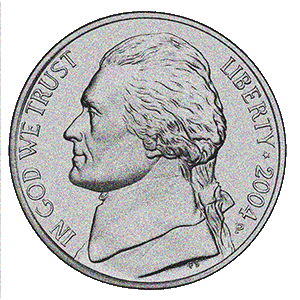
Before the nickel came into existence, the Half-dime served as the precursor to the five-cent coin. First minted in 1792, the Half-dime was composed of 90% silver and 10% copper. Its diminutive size and silver composition made it a popular denomination for everyday transactions in the early years of the United States.
The outbreak of the Civil War in 1861 had a profound impact on the circulation of coins in the United States. As the war escalated, silver and gold coins became scarce as people hoarded them for their intrinsic value. This scarcity led to a shortage of small denomination coins, including the Half-dime, exacerbating the difficulty of conducting everyday commerce.
To address the coin shortage during the Civil War, Congress authorized the issuance of fractional currency notes in the 1860s. These paper notes, denominated in fractions of a dollar, served as a temporary solution to the scarcity of coins and facilitated transactions during the war years.
In 1864, controversy erupted over the portrait featured on the five-cent note. Spencer M. Clark, the Superintendent of the National Currency Bureau, had included his own portrait on the notes without authorization, sparking outrage. Salmon Chase, then Secretary of the Treasury, personally intervened to save Clark’s job, but the incident underscored the need for a more stable and universally accepted form of currency.
Mint Director James Pollack advocated for the introduction of a five-cent nickel coin to address the coin shortage and provide a durable alternative to paper currency. His support laid the groundwork for the eventual creation of the nickel coin.
Joseph Wharton, a prominent industrialist and advocate for the use of nickel in coinage, played a pivotal role in promoting the adoption of nickel for the new five-cent coin. His efforts helped sway Congress to authorize the use of nickel in the coin’s composition.
The history of the nickel coin began with the introduction of the Shield Nickel in 1866, followed by the Liberty Nickel, Buffalo or Indian Head Nickel, and the iconic Jefferson Nickel. Each iteration reflected the artistic and technological advancements of its time, showcasing the cultural and historical significance of the nickel in American numismatics.
Despite its enduring popularity, the nickel has faced periodic scrutiny, with proposals to abolish it due to rising production costs and fluctuations in metal prices. However, the nickel has persevered, remaining a steadfast component of American currency.
Throughout its history, the nickel has left an indelible mark on American commerce and culture. From its humble origins to its role in shaping the nation’s monetary system, the nickel stands as a testament to innovation, resilience, and the enduring value of small denomination coins in everyday transactions.
The evolution of the nickel reflects the dynamic interplay of historical events, legislative decisions, and the ingenuity of individuals who shaped American currency. As a quintessential symbol of everyday commerce, the nickel continues to hold a cherished place in the hearts and pockets of Americans, embodying the enduring spirit of innovation and progress.



 DAVE DOES HISTORY
Leave a comment