
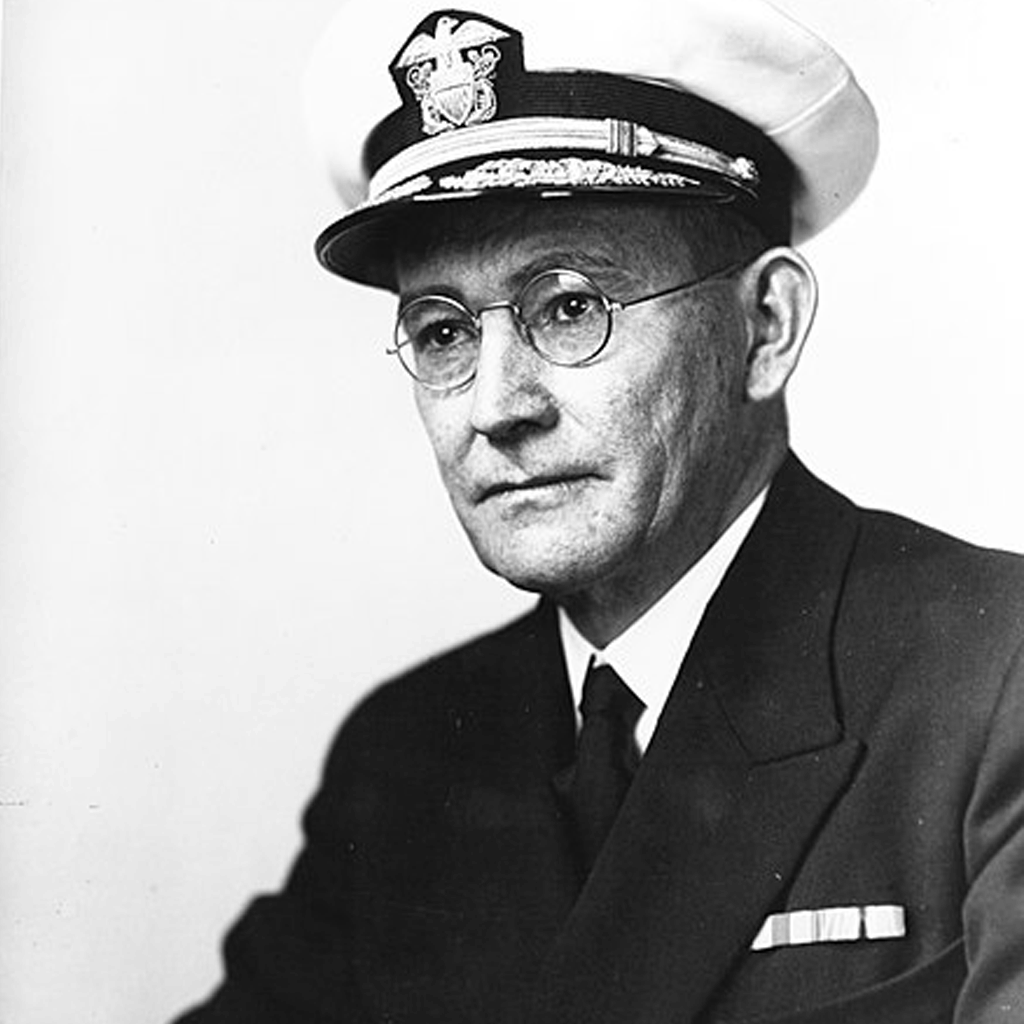
 Admiral Willis Augustus Lee, born on May 11, 1888, in Natlee, Kentucky, left an indelible mark on naval history through his exceptional leadership, strategic acumen, and unparalleled expertise in naval warfare. From his early years to his heroic actions during World War II, Lee’s legacy continues to inspire generations of sailors and naval strategists.
Born into a modest family in rural Kentucky, Lee displayed a keen interest in athletics from a young age. His dedication and talent led him to pursue a career in sports, particularly in the field of marksmanship. In 1920, Lee represented the United States in the Olympics held in Antwerp, Belgium. His remarkable skills earned him recognition as he competed in shooting events, showcasing the precision and discipline that would later define his naval career.
Following his Olympic endeavor, Lee transitioned into a distinguished career in the United States Navy. During the interwar period, he honed his skills in naval tactics and gunnery, emerging as a leading authority in these crucial areas of naval warfare. Lee’s dedication to mastering the art of gunnery would prove instrumental in shaping his future accomplishments on the battlefield.
As tensions escalated globally in the late 1930s, Lee’s expertise in gunnery positioned him for significant roles within the Navy. By November 1942, he had risen to the rank of Admiral, entrusted with critical responsibilities in the Pacific theater. His strategic foresight and tactical brilliance were soon put to the test in one of the most pivotal engagements of the war.
The Naval Battle of Guadalcanal in November 1942 emerged as a defining moment in Admiral Lee’s career. Leading from the front, Lee’s decisive actions and expert command played a decisive role in securing a crucial victory for the Allied forces. His tactical ingenuity and unwavering resolve in the face of adversity earned him widespread acclaim and solidified his reputation as a legendary naval commander.
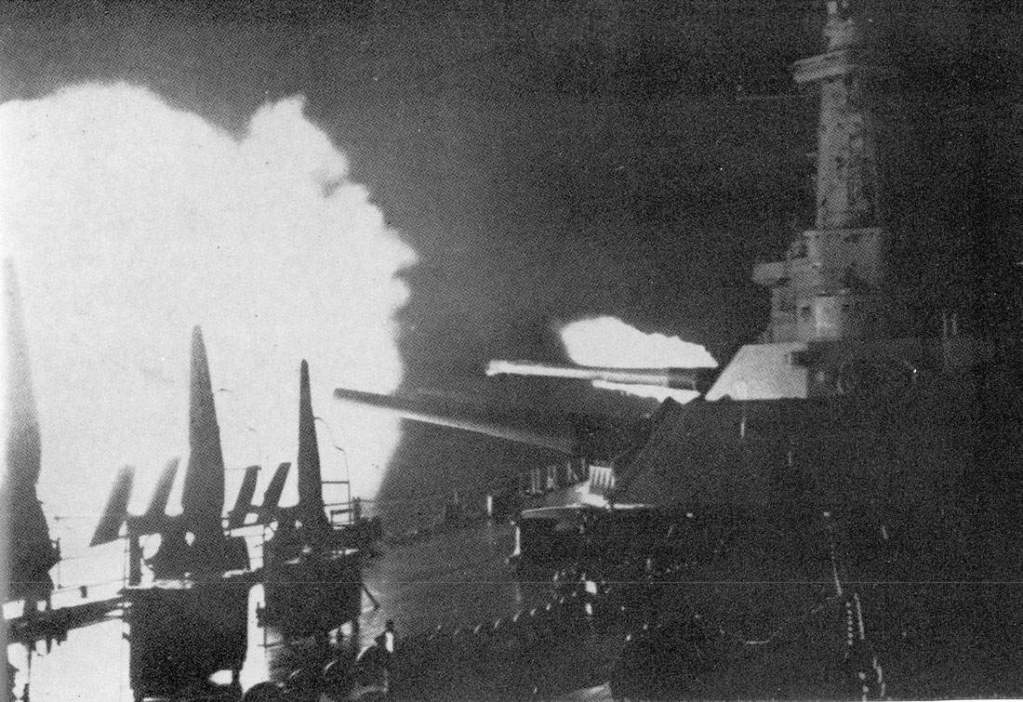
Beyond Guadalcanal, Lee continued to serve with distinction, contributing significantly to subsequent operations in the Pacific theater. His leadership and strategic insights played a pivotal role in shaping the course of the war, contributing to the eventual Allied victory. Tragically, Lee’s illustrious career was cut short when he passed away in 1945, leaving behind a legacy of unparalleled service and dedication to his country.
Admiral Willis Augustus Lee’s legacy endures as a testament to the values of courage, leadership, and excellence. His remarkable achievements continue to inspire naval officers and military strategists, serving as a timeless example of the profound impact that individual leadership can have on history. From his humble beginnings in Kentucky to his heroic actions on the battlefield, Lee’s contributions to the United States Navy and the defense of freedom will be remembered for generations to come.




 DAVE DOES HISTORY
Leave a comment