
 In the grand annals of United States naval history, few ships hold as storied a legacy as the USS Lexington CV-2. Initially conceived as a battlecruiser under the auspices of the ambitious naval expansion in the aftermath of World War I, her destiny was irrevocably altered by the Washington Naval Treaty of 1922. This treaty, a pivotal moment in naval history, aimed to prevent an arms race by imposing restrictions on naval construction. Lexington, alongside her sister ship Saratoga, was transformed from a potent symbol of naval might into a beacon of the burgeoning power of naval aviation.
Originally designed to be a battle cruiser, the USS Lexington was one of the six planned ships of her class. She was to be outfitted with formidable artillery and capable of impressive speeds. However, the landscape of naval warfare was changing, and international arms control efforts reshaped her fate.
The Washington Naval Treaty necessitated the halting of the Lexington’s construction as a cruiser and her subsequent conversion into an aircraft carrier. This transformation was not merely a change in designation but a pioneering move towards what would become the future of naval strategy. Upon completion in 1927, the Lexington was equipped with a flight deck, a complement of aircraft, and the means to launch and recover them — a marvel of innovation.
Before the outbreak of World War II, Lexington served primarily in training roles and fleet maneuvers, helping to develop and refine U.S. naval aviation tactics. Her presence in the Pacific was a deterrence, projecting American naval power and readiness. The carrier participated in numerous exercises that helped lay the groundwork for the tactics that would later prove crucial during the Pacific War.
As tensions escalated globally, the Lexington’s role shifted from demonstration and deterrence to active preparation for conflict. She was involved in transporting aircraft and personnel to strategic locations, readying the Pacific fleet for the imminent hostilities.
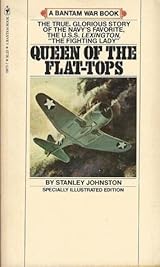 With the onset of World War II, Lexington was thrust into the forefront of the Pacific theater. She provided critical air support for the defense of American territories and engaged in combat operations intended to halt the advance of Japanese forces across the Pacific.
In early May 1942, Lexington played a pivotal role in the Battle of the Coral Sea, the first aircraft carrier battle in history where ships engaged each other through intermediary aircraft. Over several days, her aircraft engaged in fierce exchanges with Japanese forces, striking at enemy ships and providing air cover for Allied vessels.
The climax of her service came on May 8, 1942. In this critical engagement, Lexington’s planes launched a series of attacks against the Japanese carrier force. Despite her valiant efforts, she was struck by multiple torpedoes and bombs. Fatally damaged and aflame, the order was given to abandon ship, marking the end of her valiant journey. The loss of Lexington was not just a tactical blow but also a profound emotional one for the U.S. Navy.

In a fitting tribute to her service, the name Lexington was bestowed upon another aircraft carrier, CV-16, which served with distinction through the remainder of World War II and beyond, embodying the spirit and resilience of her predecessor.
In March 2018, the wreck of USS Lexington was discovered at the bottom of the Coral Sea. This find not only provided a poignant closure to her storied career but also offered new insights into her last moments and the fierce battle that led to her sinking. Artifacts recovered and imagery of the ship underscore her resilience and the intense battle that took place.
USS Lexington CV-2 exemplifies the evolution of naval power from surface combatants to the age of naval aviation. Her transformation, service, and legacy continue to inspire and inform, underscoring the enduring value of adaptability and courage in the face of changing tides of war.




 DAVE DOES HISTORY
Leave a comment