
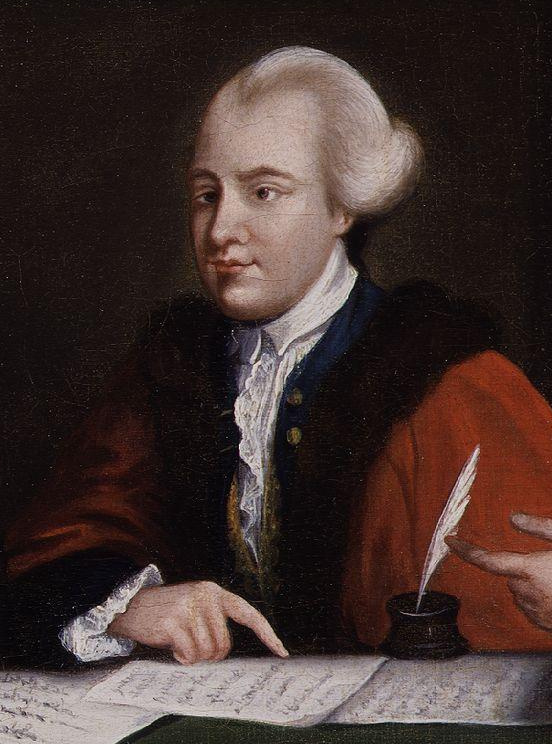
London, 1764. The air is thick with tension and excitement, a city at the cusp of monumental change. Whispers of rebellion and reform echo through the cobbled streets and smoky taverns. It’s an era marked by powdered wigs and candlelit conspiracies, where the written word holds the power to ignite revolutions.
In the midst of this brewing storm stands a figure both charismatic and controversial – John Wilkes. A man whose name would become synonymous with the fight for freedom and liberty. He’s not your typical starched politician; no, Wilkes is something of an enigma. With a sharp wit and a flair for the dramatic, he’s loved by many, loathed by some, but ignored by none.
Wilkes, with his roguish charm and unyielding courage, becomes a beacon for the disenfranchised, a voice for those who dare to challenge the status quo. He’s a Member of Parliament, yes, but he’s not just playing the political game. He’s rewriting the rules.
This period in history is a crucible of change. The 18th century is teeming with political drama, the kind that shapes nations. It’s a time when the concept of free speech is still in its infancy, fragile and easily threatened. And it’s here, in this volatile landscape, that John Wilkes’s story unfolds—a story that is not just about a man, but about the very ideals that form the bedrock of democracies.
What happens next is not just a chapter in a history book; it’s a testament to the enduring struggle between power and liberty, censorship and expression. Wilkes’s journey is a mirror reflecting our own modern debates about the rights of individuals and the limits of authority.
So, as we delve into the tale of John Wilkes and his expulsion from Parliament, remember this setting: London, 1764, a city on the brink of change, a character that embodies the spirit of defiance, and a clash of ideals that resonates through the ages. The stage is set, the players are in motion, and the drama of history awaits.
Wilkes’s early life set the stage for his future endeavors. Born in Clerkenwell, London, to a successful distiller, he had the privilege of education and access to the higher echelons of society. But Wilkes was not one to be confined by the norms of his class. He attended the University of Leiden, where he developed a taste for the radical ideas that were sweeping through Europe at the time. Ideas about liberty, freedom, and democracy.
Returning to England, Wilkes didn’t immediately dive into the political arena. Instead, he dabbled in various roles, from a militia officer to a member of clubs teeming with intellectual discourse. It was during these formative years that Wilkes honed his skills in rhetoric and debate, skills that would serve him well in the tumultuous world of 18th-century British politics.
Wilkes’s entry into politics was as dramatic as the man himself. Elected as the Member of Parliament for Aylesbury in 1757, he quickly made a name for himself, not just for his political stances but for his larger-than-life personality. He was a man who loved the spotlight and used his charisma and wit to win over both the public and his peers.
But it wasn’t just charm that made Wilkes a standout figure. He had a knack for ruffling feathers, challenging the established order, and pushing the boundaries of what was acceptable in political discourse. He was a fierce critic of the monarchy and the government, using his position and his pen to advocate for the rights and liberties of the common people.
Wilkes’s personal life was as colorful as his public persona. He was known for his love affairs, his flamboyant lifestyle, and his sharp tongue. But these traits, which endeared him to the public, also made him enemies in high places. His outspoken nature and disregard for the conventions of his time often landed him in trouble, both politically and legally.
In essence, John Wilkes was a man of contradictions. A member of the establishment who fought against it, a man of privilege who championed the cause of the commoner, and a rebel who used his position within the system to challenge it. His story is not just one of political intrigue and drama; it’s a story about a man who dared to speak truth to power, who fought for what he believed in, and in doing so, left an indelible mark on the pages of history.

The story of John Wilkes cannot be told without delving into the notorious North Briton, particularly its 45th issue, which ignited a firestorm in 18th-century Britain. This publication, more than anything else, encapsulates the daring and defiant spirit of Wilkes and the era’s contentious political climate.
North Briton was a radical newspaper, a weekly publication that Wilkes and his allies used as a platform to voice their dissent against the government. It was known for its acerbic tone, scathing critiques, and unapologetic stance against the policies of King George III and his ministers. However, it was the 45th issue, published on April 23, 1763, that turned this publication from a thorn in the side of the establishment to a symbol of political upheaval.
Issue Number 45 was a response to the King’s Speech, which had been read at the opening of Parliament. In this issue, Wilkes didn’t just criticize the government’s policies; he directly attacked King George III, accusing him of misleading the public about the terms of the peace treaty ending the Seven Years’ War. The tone was unprecedentedly bold and direct, sparing no niceties in accusing the King himself of falsehood and misconduct.
This was more than just a political critique; it was a direct challenge to the monarch, a breach of the unspoken rule that the King was beyond reproach. In 18th-century Britain, criticizing the monarchy was not just a political faux pas; it was seditious libel, a serious crime that threatened the very foundations of the government. By taking on the King in such a direct manner, Wilkes had crossed a line that few had dared to tread.
The government’s response was swift and severe. Issue Number 45 was deemed seditious libel, a direct attack on the King’s authority. The authorities moved quickly to arrest Wilkes and suppress the publication. But the impact of North Briton, Issue Number 45, went far beyond its immediate legal consequences. It became a rallying point for those who believed in freedom of speech and the right to criticize the government.
The controversy surrounding this issue highlighted the growing tension between the government’s desire to maintain control and the public’s demand for greater freedom and representation. It brought to the forefront the debate about the limits of free speech, the role of the press in society, and the relationship between the monarch and the people.
In essence, North Briton, Issue Number 45, was more than just a publication. It was a spark that ignited a debate about the fundamental principles of democracy and governance. It challenged the status quo and set the stage for the larger struggles for freedom and representation that would follow. Through this infamous issue, Wilkes etched his name into history, not just as a politician or a journalist, but as a symbol of resistance against tyranny and a champion of liberty.
In the wake of the incendiary North Briton, Issue Number 45, John Wilkes found himself not just at the center of a political storm but at the heart of a defining moment in the history of free speech and civil liberties. The fallout from this episode was dramatic and far-reaching, reshaping the relationship between the government and the governed in 18th-century Britain.
The arrest of John Wilkes was as dramatic as the man himself. In the early hours of April 30, 1763, just a week after the publication of the controversial issue, Wilkes was arrested at his home in London. The charge? Seditious libel. The arrest warrant did not name Wilkes specifically but rather targeted the authors, printers, and publishers of the North Briton. However, Wilkes, ever defiant, declared himself the author and faced the authorities head-on.
The government’s response was swift and heavy-handed. They sought not just to punish Wilkes but to make an example of him, to quell the growing tide of dissent and criticism. Wilkes was taken to the Tower of London, a move that underscored the severity with which the government viewed his actions. This was no ordinary arrest; it was a statement, a clear signal that the government would not tolerate such challenges to its authority.
However, the government’s actions had an unintended consequence. Instead of silencing dissent, they amplified it. The public reaction to Wilkes’s arrest was immediate and explosive. Wilkes, with his flamboyant personality and reputation as a champion of the common man, had already endeared himself to the public. His arrest transformed him from a popular politician to a symbol of resistance against government overreach.
Crowds gathered to protest his arrest, pamphlets and poems glorifying Wilkes circulated widely, and “Wilkes and Liberty” became a rallying cry across the country. The issue transcended Wilkes the individual; it tapped into a deeper vein of discontent and desire for reform. The public saw in Wilkes a defender of their rights and liberties, a man who dared to speak truth to power and who was now paying the price for it.
This period marked a significant shift in public consciousness. The outcry over Wilkes’s arrest highlighted the growing demand for freedom of expression and the press. It also exposed the widening gap between the government and its citizens, a gap that would continue to widen in the years to come.
Wilkes’s arrest and the subsequent public outcry were not just isolated incidents in the annals of history. They were part of a larger narrative about the evolution of democratic principles and the rights of individuals. Through his defiance and the public’s response, Wilkes set the stage for future struggles for civil liberties and became a symbol of the enduring fight against tyranny and oppression.
In the end, the story of Wilkes’s arrest and the fallout that followed is a testament to the power of the individual voice and the collective will. It’s a reminder that the pursuit of liberty and justice often comes at a cost, but it’s a cost that many are willing to pay. The echoes of “Wilkes and Liberty” still resonate, a reminder of the enduring human spirit’s resilience and strength.
The trial and subsequent expulsion of John Wilkes from Parliament marked a pivotal moment in British history, intertwining legal drama with political intrigue and social upheaval. This episode not only highlighted the contentious relationship between individual rights and governmental power but also set a precedent that would echo through the halls of British jurisprudence and politics for years to come.
After his dramatic arrest, Wilkes found himself embroiled in a series of legal battles that captivated the nation. The primary charge against him was seditious libel, for his scathing criticism of King George III in North Briton, Issue Number 45. This charge was serious and politically charged, implying that Wilkes had incited rebellion against the monarchy.
The courtroom drama that unfolded was as much a battle of wits and rhetoric as it was a legal proceeding. Wilkes, with his characteristic flair, turned the trial into a public spectacle. He defended himself with a combination of legal acumen and theatrical bravado, arguing that his actions were not seditious but a legitimate exercise of free speech and criticism.
Wilkes’ defense was centered around the principles of liberty and free expression. He argued that his criticism of the King and the government, however sharp or unflattering, was within the bounds of lawful political discourse. Wilkes challenged the very definition of seditious libel, positing that holding the government accountable through public discourse was a fundamental right of every Englishman.
Despite his spirited defense, Wilkes’ legal battles led to his expulsion from Parliament in 1764. This decision was driven by a combination of legal and political factors. Legally, the Parliament held that Wilkes’ actions, deemed seditious, were incompatible with his duties as a Member of Parliament. Politically, his expulsion was a move to quell the growing unrest and to send a message that such defiance against the monarchy and the government would not be tolerated.
The legal justifications given for his expulsion were rooted in the idea that a member guilty of seditious libel could not possibly uphold the responsibilities and integrity required of a Parliamentarian. However, many saw this as a thinly-veiled attempt to suppress political dissent and silence a vocal critic of the establishment.
The expulsion of John Wilkes had far-reaching political and social implications. It exposed the fragile state of free speech and the press in 18th-century Britain and highlighted the lengths to which the government would go to maintain control and suppress dissent.
Politically, Wilkes’ expulsion intensified the growing divide between the government and the public. It galvanized the movement for reform and became a symbol of the struggle against arbitrary power and for the rights of the common people. The public outcry that followed his expulsion underscored the changing expectations of the governed towards their government, demanding greater accountability and freedoms.
Socially, Wilkes’ trial and expulsion played a crucial role in shaping the public’s perception of their rights and liberties. It sparked debates about individual freedoms, the role of the press, and the limits of governmental power. The “Wilkes and Liberty” movement, which grew out of this incident, became a rallying point for those seeking broader societal reforms.
The trial and expulsion of John Wilkes were not just a legal or political event; they were a watershed moment in the history of British democracy. They underscored the tensions between authority and liberty and set the stage for future battles over the rights and freedoms we often take for granted today. Wilkes’ stand against the establishment, and the public’s reaction to it, underscored the enduring importance of safeguarding civil liberties against the overreach of government power.
The saga of John Wilkes and the explosive impact of North Briton’s Issue Number 45 resonate far beyond their immediate historical context, leaving an indelible legacy on British politics and the concept of freedom of the press. This episode, fraught with defiance, legal battles, and public outcry, not only illuminated the tensions of its time but also laid the groundwork for the evolving discourse on individual rights and liberties.
The impact of John Wilkes and his audacious challenge to authority rippled through the fabric of British politics. Wilkes’ relentless pursuit of free speech and his resistance against government overreach became a catalyst for political change. His actions, and the government’s response to them, exposed the fragility and the potential malleability of the British political system.
Wilkes’ struggle highlighted the need for clearer definitions and protections of individual rights within the political framework. His expulsion from Parliament, viewed by many as an act of political repression, sparked debates about the role of elected representatives and the rights of constituents. This incident underscored the importance of accountability in governance and the need for a system that could withstand the pressures of individual dissent without resorting to suppression.
Perhaps the most enduring aspect of Wilkes’ legacy is his impact on the freedom of the press. Issue Number 45 of North Briton stands as a symbol of the press as a tool for challenging authority and advocating for change. Wilkes’ bold criticism of the King and his administration, and the subsequent legal battles, underscored the essential role of a free press in a democratic society.
This episode played a crucial role in shaping the public and legal perceptions of press freedoms. It sparked a conversation about the limits of governmental control over the media and the importance of protecting journalistic rights. The notion that the press should serve as a watchdog, holding the powerful accountable and providing a platform for public discourse, gained significant traction in the wake of Wilkes’ ordeal.
John Wilkes’ actions, and the government’s efforts to silence him, contributed significantly to the growing discourse on individual rights and liberties. Wilkes became more than a political figure; he became a symbol of the fight against arbitrary power and for the rights of the individual. His case brought to the forefront issues such as the right to free expression, the protection against unlawful detention, and the right to a fair trial.
The public reaction to Wilkes’ persecution demonstrated a burgeoning public awareness and concern for civil liberties. It signaled a shift in societal values, where the rights of the individual began to be seen as paramount, deserving of protection against the might of the state. This shift played a crucial role in the eventual development of legal and constitutional reforms that aimed to safeguard individual liberties.

As we look back on the tumultuous journey of John Wilkes and his defiant stand against government authority in 18th-century Britain, it becomes clear that his struggles were not just a moment in history but a beacon for our ongoing conversations about freedom, speech, and the power of government. Wilkes’ story, though centuries old, resonates with striking relevance in our contemporary world, where these themes continue to be at the forefront of political and social discourse.
Wilkes’ battle for freedom of speech and his resistance against government overreach echo in today’s global landscape, where these issues remain as pertinent as ever. In an age where information is instantaneous and the media’s role is ever-evolving, Wilkes’ fight for press freedom reminds us of the ongoing need to protect and value this fundamental right. His stance against arbitrary power and for individual liberties speaks to current debates around government surveillance, censorship, and the balance between national security and personal freedoms.
In many parts of the world, people still grapple with the limitations placed on their freedom to express, to criticize, and to hold their leaders accountable. The story of John Wilkes serves as a reminder of the importance of vigilance and resistance in the face of such challenges. It exemplifies the enduring struggle to maintain a space where freedom of speech is not just tolerated but celebrated as a cornerstone of a free and just society.
Wilkes’ legacy is a powerful testament to the impact one individual can have in challenging the status quo and advocating for change. His story is a rallying cry for the importance of standing up for what we believe in, even in the face of overwhelming opposition. It highlights the crucial role of the public in holding their government to account and the need for legal and constitutional safeguards to protect individual rights.
In conclusion, let us ponder this: How do we, in our own times, continue the legacy of John Wilkes? How do we ensure that the freedoms we enjoy, fought for by those who came before us, are protected and passed on to future generations? As Wilkes’ story shows, the fight for freedom and justice is never truly over; it is a continuous journey that each generation must undertake. It’s a challenge to us all to be vigilant, to be vocal, and to be valiant in the pursuit of these timeless principles.


 DAVE DOES HISTORY
Leave a comment