
On January 17, 1920, the United States entered a new era of social policy with the implementation of the Volstead Act, legislation that crystallized decades of temperance activism into a constitutional mandate. This law, which enforced the 18th Amendment, marked the culmination of a significant and divisive movement in American history. This article delves into the historical context, key figures, and the political climate that led to the passage of the Volstead Act, a pivotal moment in the early 20th century.

The road to Prohibition was paved in the late 19th and early 20th centuries, a period marked by a growing temperance movement. This movement was driven by a coalition of religious groups, social reformers, and political activists who viewed alcohol as a destructive force in society, leading to crime, moral decay, and the disintegration of families and communities. Organizations like the American Temperance Society and the Women’s Christian Temperance Union (WCTU) emerged as powerful forces advocating for the reduction and elimination of alcohol consumption. Their efforts were bolstered by the Anti-Saloon League, founded in 1893, which played a critical role in lobbying for temperance legislation at both state and national levels.

The temperance movement was championed by influential figures such as Frances Willard, president of the WCTU, who articulated the moral and social arguments against alcohol. Wayne Wheeler of the Anti-Saloon League emerged as a strategic and powerful political force, adept at rallying support and navigating the complexities of political lobbying. These figures, along with countless other activists, were instrumental in shifting public opinion and garnering support for Prohibition.
The early 20th century was a time of significant social and political change in America. The Progressive Era, marked by a push for reform in various sectors of American life, created a fertile ground for the temperance movement to take root. The success of local dry laws and statewide Prohibition measures indicated a growing public support for temperance. World War I further fueled the movement, as anti-German sentiment turned public opinion against German-owned breweries, and wartime conservation efforts made the production of alcohol seem unpatriotic.
Amidst this backdrop, the 18th Amendment, which proposed the prohibition of alcohol, was ratified on January 16, 1919. The Volstead Act, named after Minnesota Representative Andrew Volstead, was passed later that year to provide the legal framework for enforcing Prohibition. Despite President Woodrow Wilson’s veto, Congress overrode the veto, demonstrating the overwhelming political momentum behind the temperance movement.
The enactment of the Volstead Act was more than a legislative milestone; it was the embodiment of a societal crusade against alcohol that had been building for decades. This act not only transformed American law but also deeply impacted American society and culture. While Prohibition was ultimately repealed in 1933 with the 21st Amendment, the legacy of the Volstead Act and the era it created continues to be a subject of fascination and debate in American history.
The Volstead Act, a legislative embodiment of the 18th Amendment, marked a significant chapter in American history. Officially known as the National Prohibition Act, it went into effect on January 17, 1920, and aimed to enforce the prohibition of alcohol across the United States. This article explores the intricacies of the Volstead Act, its reception by the public and political figures, and its immediate impact on American society and economy.
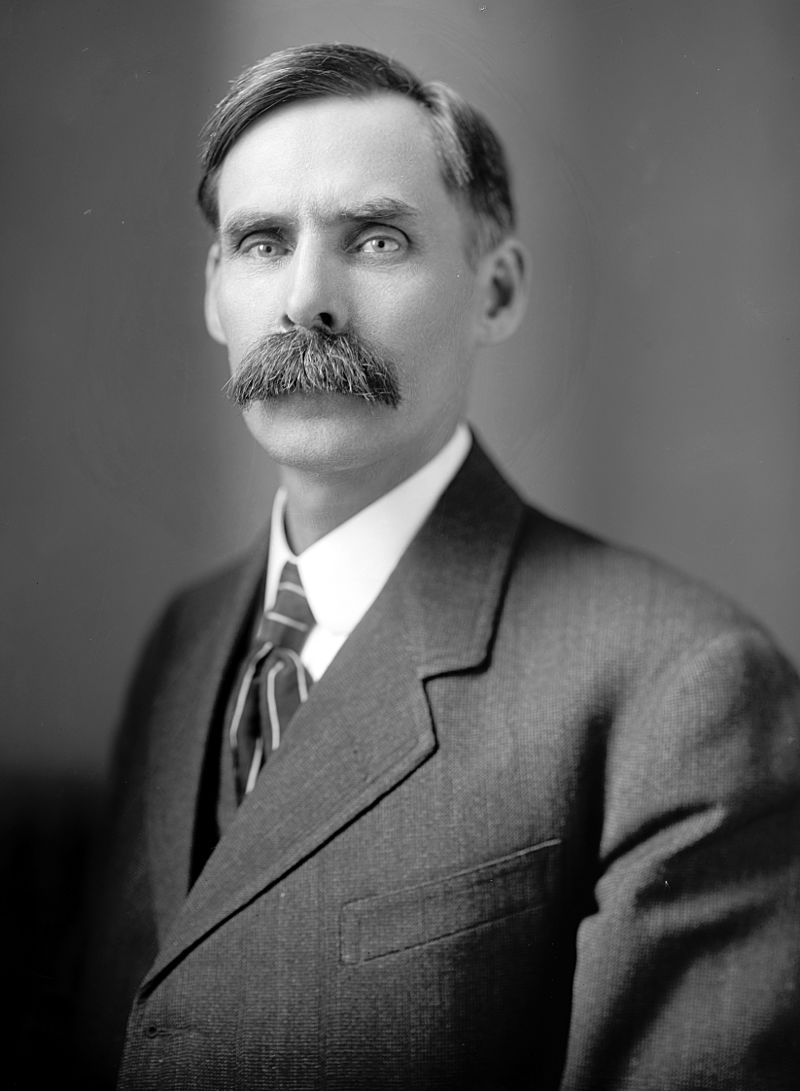
The Volstead Act was named after Andrew Volstead, chairman of the House Judiciary Committee, who managed the legislation. The Act defined “intoxicating liquor” as any beverage containing more than 0.5% alcohol by volume and outlined the mechanisms for enforcing Prohibition. It prohibited the manufacture, sale, and transport of alcoholic beverages, but not their consumption or private possession. Medical and religious uses of alcohol were exceptions; physicians could prescribe whiskey for medicinal purposes, and churches were allowed wine for sacramental purposes.
The Act was met with mixed reactions. Prohibition supporters, including many temperance activists and religious groups, celebrated the Act as a moral victory and a solution to alcohol-related social issues. However, others viewed it as an infringement on personal freedoms and an overreach of government authority.
Politically, the Act faced opposition even at the highest levels, with President Woodrow Wilson vetoing the bill, only for Congress to override his veto. Urban areas, where immigrant communities often viewed drinking as a key part of their cultural and social life, showed considerable resistance, while rural parts of the country were more supportive.
The immediate social impact of the Volstead Act was profound and complex. Initially, there was a decrease in alcohol consumption, contributing to a temporary decline in alcohol-related health problems and public drunkenness. However, the law also gave rise to illegal operations, including speakeasies (clandestine bars selling alcohol), home brewing, and bootlegging (illegal production and distribution of alcohol). Organized crime syndicates flourished as they took control of the black market for alcohol, leading to an increase in criminal activities.
The economic impact was also significant. The government lost a substantial source of revenue from liquor taxes, while the legal alcohol industry, including breweries, distilleries, and saloons, faced closure or conversion to other businesses. Thousands of workers in these industries lost their jobs, impacting the economy, especially in areas where the production and sale of alcohol were major industries.
The Volstead Act represented a bold attempt to legislate morality and public health through the prohibition of alcohol. Its immediate effects on American society and economy were substantial and complex, setting the stage for a tumultuous period in the nation’s history. While it succeeded in reducing alcohol consumption initially, the rise of illegal activities and the societal costs eventually led to growing discontent and the eventual repeal of Prohibition with the 21st Amendment in 1933. The legacy of the Volstead Act remains a pivotal lesson in the challenges and consequences of enforcing moral standards through legislation.
The Volstead Act, enacted to enforce the 18th Amendment and establish Prohibition in the United States, was a watershed moment in American history. Though its intent was to eliminate the consumption of alcohol, it paradoxically led to a series of unintended consequences that profoundly reshaped American society. This article explores the rise of bootlegging and organized crime, the shifting public sentiment, the challenges in enforcing Prohibition, and the eventual road to its repeal.
One of the most immediate and dramatic effects of the Volstead Act was the rise of an illicit industry centered around the production, distribution, and sale of alcohol. Bootleggers, individuals who illegally transported alcohol, quickly became a common sight, using ingenious methods to evade law enforcement. Speakeasies, illegal bars where alcohol was sold, popped up across the country, often with the tacit approval of local authorities who were either sympathetic to their cause or corrupt.
Organized crime syndicates, led by figures such as Al Capone in Chicago, saw a lucrative opportunity in Prohibition. They took control of the bootlegging industry, leading to a significant increase in gang violence and other criminal activities. The law, designed to reduce crime and improve morality, ironically gave rise to some of the most notorious criminal empires in American history.
Initial support for Prohibition gradually waned as the reality of its implications became apparent. The public began to see the Act as an infringement on personal freedoms and an example of governmental overreach. The law was also increasingly viewed as hypocritical, as many of those who supported it publicly flouted it privately.
Enforcing the Volstead Act became a monumental challenge. Law enforcement agencies were underfunded and understaffed, unable to cope with the widespread illegal activities. Corruption was rampant, with police officers and politicians often on the payroll of bootleggers. The federal government struggled to enforce Prohibition in the face of such widespread non-compliance and corruption.
The realization that Prohibition was unenforceable and causing more problems than it solved led to growing calls for its repeal. The economic impact of the Great Depression played a significant role in this shift, as the potential tax revenue from legal alcohol became increasingly appealing.
The 21st Amendment, which repealed Prohibition, was ratified on December 5, 1933. This marked the end of the Volstead Act and a significant shift in American social policy. Prohibition had lasted for nearly 14 years, during which it profoundly affected American society, law enforcement, and politics.
The Volstead Act, with its noble intentions, ended up creating a multitude of unintended consequences, including the rise of organized crime, widespread disrespect for the law, and immense challenges in enforcement. Its history serves as a compelling study in the complexities of legislating morality and the potential for significant, unforeseen impacts of such legislation. The repeal of Prohibition was not just the end of an era; it was a recognition of the intricate relationship between society, law, and human behavior.
The Volstead Act, a legislative experiment in social engineering, leaves behind a complex legacy, serving as a powerful reminder of the limits of legislation in governing human behavior and morality. Its passage and subsequent failure underscore the challenges inherent in enforcing societal norms through legal means, particularly when such laws conflict with deeply entrenched cultural practices and personal freedoms. The rise in organized crime, the proliferation of bootlegging, and the ultimate reversal of Prohibition highlights the unintended consequences that can arise from well-intentioned but poorly executed policies. As a pivotal chapter in American history, the Volstead Act’s story is a cautionary tale about the role of government in private life, the resilience of societal habits, and the dynamic nature of public opinion. It stands as a testament to the idea that significant societal change often requires more than just legislative action; it requires a deeper understanding and consideration of the social fabric and the values of the people it aims to govern.

 DAVE DOES HISTORY
Leave a comment