
 Georgia’s decision to ratify the U.S. Constitution was influenced by several factors unique to its circumstances. As a smaller and less populous state, Georgia saw the Constitution as a means to gain equal representation in the Senate, thus balancing the power of larger states. Additionally, security was a significant concern for Georgia, which faced threats from Spanish Florida and various Indigenous nations. The promise of a stronger federal military under the Constitution was appealing as a means of protection. Economic interests also played a role, as Georgia’s economy relied on trade, and a stronger central government promised to manage trade disputes and navigation rights more effectively.
In Georgia, the Anti-Federalist movement was less influential compared to other states. The need for security and economic stability overshadowed the Anti-Federalist arguments for stronger state sovereignty and fears of centralized power. However, the Anti-Federalist sentiment did echo concerns about the lack of a bill of rights, which later became a significant aspect of the national constitutional debate.
The ratification debate in Georgia was relatively brief and less contentious than in other states. The state convention convened in December 1787 and by January 2, 1788, Georgia unanimously ratified the Constitution. The debates focused on how the new government structure would benefit Georgia in terms of defense, trade, and stability. Unlike other states, there was minimal organized resistance, and the decision was reached swiftly.
Georgia’s swift ratification of the U.S. Constitution was facilitated by several influential leaders who played pivotal roles in advocating for a stronger federal government and rallying support for ratification. Here are some of the key figures:
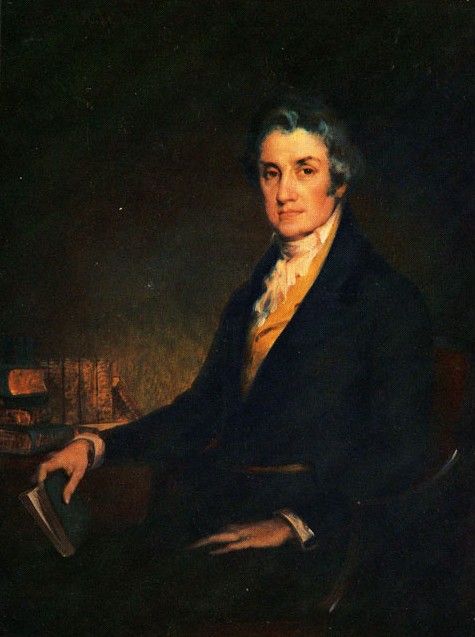
Abraham Baldwin was a significant figure, having served as a delegate to the Continental Congress and the Constitutional Convention. He was instrumental in the process of drafting the Constitution. Baldwin’s education and experience made him a respected voice in Georgia’s political landscape. He used his influence to advocate for a balanced government that would protect smaller states’ interests, which was a major concern for Georgia. As a delegate, Baldwin’s support for the Constitution was critical in swaying opinion in Georgia. His advocacy helped assuage fears that the rights of smaller states would be overshadowed by more populous ones.
William Few was another key delegate from Georgia at the Constitutional Convention. He was an advocate for a strong central government, which he believed was essential for maintaining order and protecting the rights of citizens. His support of the Constitution and his arguments highlighting the weaknesses of the Articles of Confederation were influential in convincing Georgians of the need for a more robust federal structure.
Although less well-known, William Pierce participated in the early sessions of the Constitutional Convention and was active in Georgia’s political scene. His notes and observations provided valuable insights into the Convention’s proceedings. Pierce’s involvement in state politics and his support for federalism contributed to the pro-ratification sentiment in Georgia.
George Walton was a signer of the Declaration of Independence and an influential figure in Georgia’s early history. He held several significant positions, including Governor of Georgia and later a U.S. Senator. Walton’s prominent status and advocacy for the Constitution lent credibility and weight to the pro-ratification cause in Georgia.
These individuals, among others, influenced Georgia’s ratification through their advocacy, political leadership, and direct involvement in the drafting and debate of the Constitution. Their collective efforts, emphasizing the benefits of a stronger union for security, trade, and stability, resonated with the interests and concerns of Georgians, leading to the state’s early and unanimous ratification. Each brought their own experiences and perspectives to the debate, helping to shape the consensus around the need for a more effective and balanced national government.
Newspaper coverage in Georgia, like in many states at the time, was the primary source of information for many citizens about the ratification debate. Newspapers would often publish articles both for and against ratification, including essays from the Federalist and Anti-Federalist papers. However, due to the quick decision and less contentious nature of Georgia’s ratification process, there might have been less extensive coverage compared to states where the debate was more intense.
The general sentiment in Georgia favored ratification. The population, largely consisting of small farmers and interested in frontier security, saw the Constitution as a beneficial pact that would ensure their protection and prosperity. The promise of equal representation and the possibility of federal assistance in removing Indigenous populations for expansion also swayed public opinion in favor of ratification.
Georgia’s swift ratification was influenced by its need for immediate security and economic support. The ongoing conflicts with Spanish territories and Indigenous nations made a strong federal government an attractive solution. Moreover, the state’s economic interests aligned with the improved national control over commerce and trade routes, addressing critical issues under the Articles of Confederation.
At the time of the U.S. Constitution’s ratification, Georgia faced several specific threats from Spanish-controlled territories, primarily stemming from Spanish Florida. These threats influenced the state’s political and economic landscape and played a significant role in its decision to support a stronger federal union. Here are the specific Spanish threats Georgia was concerned about:
1. Territorial Disputes:
– Border Conflicts: The borders between Georgia and Spanish Florida were not clearly defined and were a constant source of tension. Spain claimed a large portion of land that Georgia considered its own, leading to disputes and skirmishes.
– Westward Expansion: Georgia was interested in expanding its territory westward, but Spain controlled significant territories in the west, including parts of what is now Alabama and Mississippi. Spain’s presence hindered Georgia’s expansionist ambitions.
2. Support for Native American Hostilities:
– Alliances with Indigenous Tribes: Spain often allied with various Indigenous nations in the region, providing them with arms and support. These alliances were aimed at creating a buffer zone between Spanish Florida and American settlements and at curbing American expansion into territories claimed by Spain. The Creek and Seminole tribes, in particular, were seen as being influenced and supported by Spanish authorities, leading to increased raids and conflicts in Georgian territory.
3. Economic and Trade Disruptions:
– Trade Restrictions: Spain controlled important trade routes in the region, including access to the Mississippi River and the port of New Orleans. Spanish control over these routes meant that they could impose tariffs, restrict access, or otherwise manipulate trade to the detriment of Georgia’s economy, which relied heavily on the export of agricultural products.
– Encouragement of Runaway Slaves: Spanish Florida became a haven for runaway slaves from southern American states, including Georgia. The Spanish offered freedom to slaves who reached Spanish territory and converted to Catholicism, encouraging more slaves to flee and leading to economic and social tensions in Georgia.
4. Military Threats:
– Fortifications: Spain had fortified its position in Florida with forts and military garrisons. The presence of Spanish military forces in close proximity was perceived as a threat to Georgia’s security and a hindrance to expansion and settlement in disputed territories.
Georgia’s support for a stronger central government under the U.S. Constitution was partly motivated by the desire to address these threats effectively. A unified national military and diplomatic stance were seen as necessary to counter Spanish influence, secure borders, and ensure the state’s economic prosperity and territorial expansion. The federal government was perceived as being better equipped to negotiate with foreign powers, including Spain, and to protect American interests in the region.
The Anti-Federalist reaction to Georgia’s quick ratification was one of disappointment but not surprise. Given the state’s unique needs and smaller size, it was understood that Georgia had different priorities compared to larger states with more substantial Anti-Federalist movements. The rapid ratification in Georgia likely reinforced the urgency for Anti-Federalists elsewhere to strengthen their opposition.
Georgia was the fourth state to ratify the Constitution, and its decision likely had a psychological impact on other states, demonstrating a growing momentum for ratification. While Georgia’s quick decision did not directly sway other states’ decisions, it contributed to the overall sense of inevitability surrounding the Constitution’s adoption.
The reception in Georgia was largely positive, with citizens and leaders alike anticipating the benefits of a stronger union. The ratification was seen as a step toward greater security, economic growth, and stability for the state. Celebrations and public announcements likely followed the ratification, marking Georgia’s commitment to the new national government.
Georgia’s swift ratification of the U.S. Constitution was driven by its unique economic needs, security concerns, and the perceived benefits of joining a stronger union. While the Anti-Federalist movement had limited influence in the state, the decision to ratify had significant implications for the burgeoning nation and the state’s own future.




 DAVE DOES HISTORY
Leave a comment