
Frank Steunenberg, born in 1861, entered the political arena with a reputation as a man of the people, advocating for labor rights and education reform. His political ascent culminated in his election as Governor of Idaho from 1897 to 1901. During his tenure, Steunenberg was known for his progressive policies, including his support for silver mining interests and labor reform. However, his term was also marked by significant labor unrest, particularly during the Coeur d’Alene labor strike of 1899. His decision to invoke martial law and call in federal troops to suppress the strike alienated many in the labor community, a decision that would later echo tragically in his assassination.
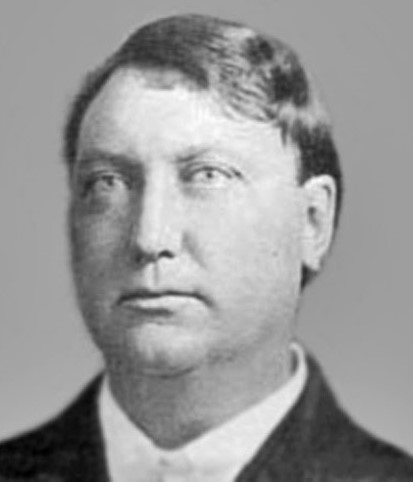
On December 30, 1905, Frank Steunenberg was killed by a bomb rigged to his gate at his Caldwell, Idaho home. The explosion shook the community and marked one of the most notorious political assassinations in U.S. history. The investigation quickly unfolded, leading to the arrest of Harry Orchard, a former miner with known ties to the Western Federation of Miners (WFM).
Harry Orchard was apprehended and charged with the murder. Under interrogation, Orchard confessed to the crime, claiming he had been hired by leaders of the WFM to carry out the assassination as retribution for Steunenberg’s actions during the Coeur d’Alene strike. His confession and subsequent testimony were contentious, filled with details of a larger conspiracy involving prominent labor leaders.
The trial of Harry Orchard, and later of alleged conspirators Bill Haywood, Charles Moyer, and George Pettibone, became a national spectacle. Clarence Darrow, a renowned labor attorney, represented the defense, arguing that Orchard’s confession was coerced and unreliable. The trial highlighted the deep divisions between labor and capital, with public opinion sharply divided along those lines.
The trial concluded with Orchard’s conviction and a sentence of life imprisonment. The other defendants, including Haywood, were acquitted, largely due to Darrow’s defense and doubts about Orchard’s credibility.
Frank Steunenberg’s assassination left a deep imprint on Idaho and the nation. It underscored the volatile relationship between labor and industry at the turn of the century. Steunenberg is remembered in Idaho as a complex figure—a progressive governor who took controversial measures to maintain order during one of the state’s most turbulent periods.
In the years following, the assassination continued to resonate, influencing labor relations and anti-radical legislation. The event has been extensively examined in historical works, reflecting on the themes of justice, labor rights, and political violence.



 DAVE DOES HISTORY
Leave a comment