
Christmas, a holiday marked by millions worldwide, not only represents a religious day significant to Christianity but also encompasses a wide array of cultural traditions. The evolution of Christmas from a modest religious feast to a global phenomenon reflects the complex interplay of religion, culture, and history.
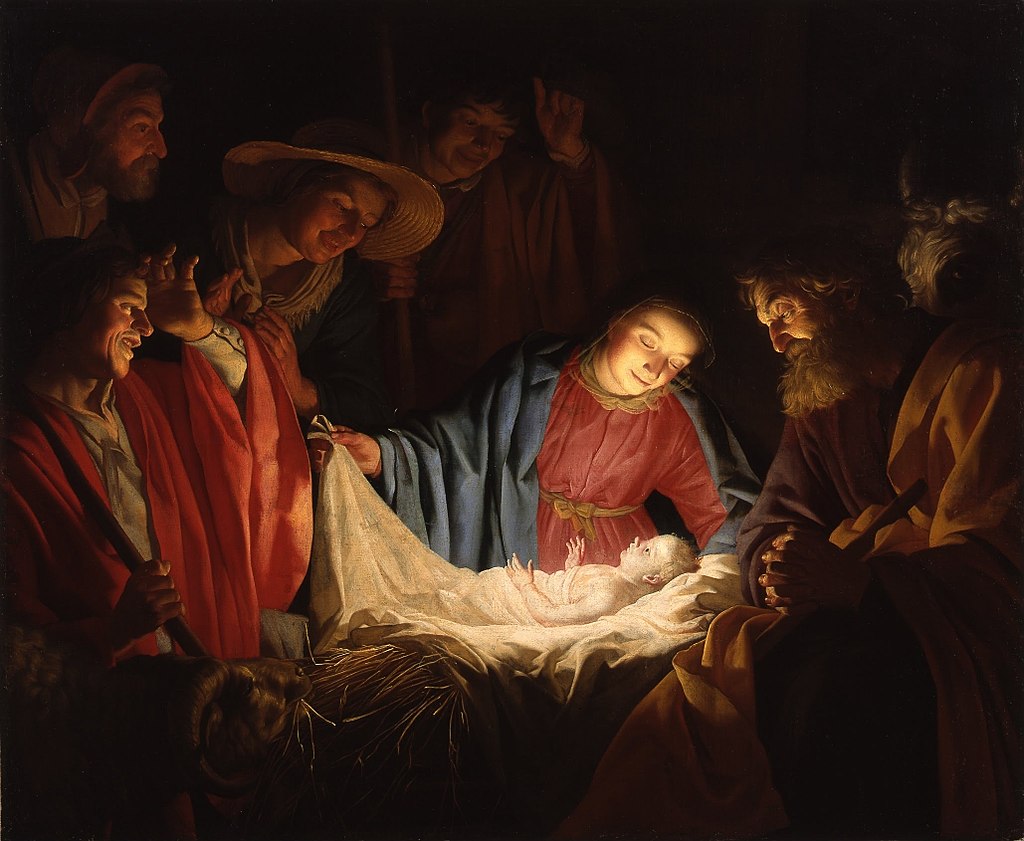
The selection of December 25th as the date to celebrate the birth of Jesus Christ does not stem from Biblical scripture but rather from a blend of early Christian and pre-Christian winter celebrations. The Roman pagan feast of Saturnalia, a period of merrymaking and exchange of gifts, along with the birthday of the Unconquered Sun (Sol Invictus) on December 25th, are thought to influence the choice of date. The Christian Church in the 4th century adopted this date as Jesus’s birthday, aligning with these pre-existing festivals and facilitating the widespread transition to Christianity.
Evidence for early celebrations of Christmas in Rome dates back to the 4th century. Records indicate that Christians celebrated the Nativity as part of Epiphany on January 6th; however, by the mid-4th century, December 25th was recognized in the Roman calendar as Christ’s birth date. The earliest Christmas celebrations were marked by religious observance and church services rather than the extensive secular festivities that would develop later.
During the first millennium, Christmas spread throughout the Christian world, merging with and absorbing various local winter customs. By the Middle Ages, it had become not only a religious observance but also a time for community celebration featuring feasting, music, and theatrical performances. However, its importance varied with local traditions and religious contexts, often overshadowed by Epiphany or Easter in the religious calendar.
The second millennium saw both suppression and revival of Christmas traditions. The Protestant Reformation led to a decline in Christmas celebrations in some regions, viewed as too closely tied to Catholic pomp and ceremony. However, in the 19th century, Christmas underwent a transformation with the popularization of Christmas trees, Santa Claus, and gift-giving. These elements, alongside Charles Dickens’s influential “A Christmas Carol,” shaped a vision of Christmas as a time for family, generosity, and goodwill.
Today, Christmas is a tapestry of both secular and religious elements, celebrated diversely across the globe. It’s a time for family gatherings, festive decorations, and economic activity. The holiday’s religious roots persist in church services and spiritual reflection, while commercialization and cultural exchange have introduced new traditions and expanded its appeal beyond Christian populations.
The December 25th date for Christmas has faced scrutiny and debate. Scholars cite the lack of historical evidence pinpointing Jesus’s birth date and suggest that the choice was more about aligning with existing festivals than historical accuracy. Additionally, the Gregorian calendar’s spread has not been universal, leading some Orthodox churches to celebrate Christmas on January 7th.
The legacy of Christmas is one of adaptation and endurance. It has evolved from a purely religious observance to a global cultural event that incorporates a multitude of traditions, beliefs, and practices. Its ability to assimilate diverse customs while maintaining its core as a time for peace, reflection, and community speaks to the universal human desire for celebration and connection.
From its inception as a Christian feast to its status as a global holiday, Christmas illustrates the dynamic interplay of historical, religious, and cultural forces. While its celebration has varied and evolved, the spirit of Christmas as a time for goodwill, family, and festivity continues to resonate worldwide, making it one of the most enduring and widely celebrated holidays in human history.



 DAVE DOES HISTORY
Leave a comment