
The Nullification Crisis, a significant event in American history, was sparked on December 19, 1828, with Vice President John C. Calhoun playing a pivotal role.
The Nullification Crisis of the early 1830s was rooted in the conflict between states’ rights and federal authority. This tension was exacerbated by the Tariff of 1828, dubbed the “Tariff of Abominations” by its Southern detractors. The tariff, perceived as benefiting Northern industrial interests at the expense of Southern agricultural economies, became a flashpoint for the larger debate over the extent of federal power.
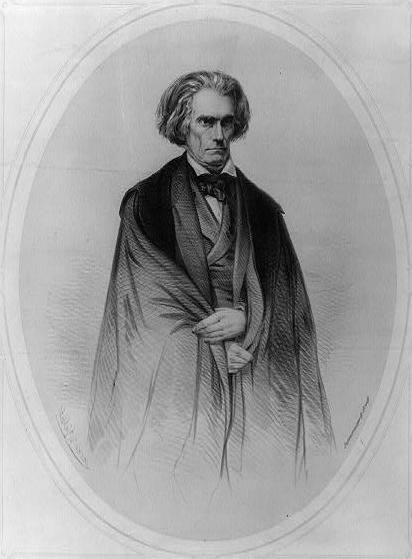
As Vice President under Andrew Jackson, John C. Calhoun was uniquely positioned to influence this debate. A staunch proponent of states’ rights and a native South Carolinian, Calhoun anonymously penned the “South Carolina Exposition and Protest” on December 19, 1828. In it, he argued for the doctrine of “nullification,” positing that states had the right to nullify federal laws deemed unconstitutional. This was a radical challenge to federal authority, setting the stage for a direct confrontation between the state and federal governments.
President Andrew Jackson, a fervent unionist, vehemently opposed the nullification doctrine. His stance was clear: the federal law was supreme, and states did not possess the right to nullify federal statutes. Jackson’s commitment to preserving the Union was unwavering, and he viewed nullification as a direct threat to its stability.
At the heart of the Nullification Crisis were two interwoven issues: the debate over the protective tariffs and the broader question of states’ rights versus federal authority. The tariffs issue was not just economic but also symbolic of the perceived imbalance of power between the agrarian South and the industrializing North. The crisis, therefore, transcended economic policy and touched upon the very nature of the federal union.
The crisis reached its peak in 1832-33 when South Carolina, under the leadership of Calhoun, passed the Ordinance of Nullification, declaring the tariffs of 1828 and 1832 null and void within the state. In response, President Jackson signed the Force Bill in 1833, authorizing him to use military force to ensure compliance with federal tariffs.
However, the crisis was ultimately resolved through compromise. Senator Henry Clay, known as the “Great Compromiser,” played a key role in formulating the Compromise Tariff of 1833, which gradually reduced the tariff rates. This compromise, while defusing the immediate crisis, did not resolve the underlying constitutional issues, setting the stage for future conflicts leading up to the American Civil War.
The Nullification Crisis was a defining moment in the early history of the United States. It highlighted the fragile balance between state and federal powers and underscored the deep regional divisions that would eventually lead to the Civil War. The resolution of the crisis, though temporary, demonstrated the power of compromise in the American political system.

 DAVE DOES HISTORY
Leave a comment