
In the early 19th century, the American West was a vast and mysterious frontier, largely unexplored by the young United States. Seeking to expand their knowledge of this vast territory and establish American presence, President Thomas Jefferson commissioned a series of exploratory missions, one of which was the Pike Expedition of 1809. Led by the ambitious and adventurous Zebulon Montgomery Pike, this expedition ventured into the uncharted lands of Colorado, leaving an indelible mark on the region’s history.
The Pike Expedition was part of a broader effort by President Jefferson to explore and map the newly acquired Louisiana Territory, a vast expanse of land stretching from the Mississippi River to the Rocky Mountains. In 1803, the United States had purchased this territory from France in the Louisiana Purchase, doubling the size of the nation. Jefferson was determined to learn more about the geography, flora, fauna, and indigenous peoples of this vast region.
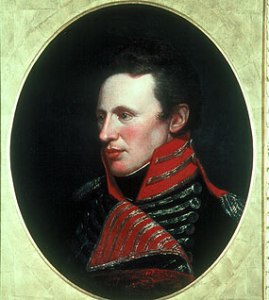
Public Domain
Zebulon Pike, a young army officer with an adventurous spirit, was chosen to lead this important mission. At the age of 26, he set out on a journey that would take him and his men into the heart of the American West.
The Pike Expedition commenced in July 1806 from St. Louis, Missouri, a bustling frontier town at the time. Pike and his team embarked on their journey with the primary goal of reaching the headwaters of the Arkansas River, which they believed was part of the Red River that flowed into the Gulf of Mexico. However, their initial exploration led them into the vast wilderness of the Colorado Plateau.
On November, 15 1806, Pike’s expedition stumbled upon the towering peaks of the Colorado Rockies, becoming one of the first recorded American expeditions to do so. They believed these mountains to be the source of the Red River, a misconception that would later prove significant in the history of the region. As Pike and his men encountered these formidable natural barriers, they faced harsh weather conditions, treacherous terrain, and dwindling supplies. Despite these challenges, they pressed on, scaling peaks and crossing rugged terrain in their quest for knowledge.
Throughout their journey, the Pike Expedition had encounters with various indigenous peoples of the region, including the Osage, Pawnee, and Comanche tribes. These interactions provided valuable insights into the cultures and customs of the native populations and helped facilitate diplomacy between the expanding United States and the indigenous nations.
As Pike’s expedition ventured further into Spanish-held territory (present-day Colorado), they were captured by Spanish authorities. Pike and his men were detained and questioned about their mission. During their captivity, Pike managed to make valuable observations and maps of the region, providing the United States with additional geographical knowledge.
After several months, Pike and his men were released in July 1807 and allowed to continue their journey. They returned to the United States, but the information they had gathered would have a lasting impact on the nation’s understanding of the West.
The Expedition, while not achieving its initial objectives, contributed significantly to the exploration and understanding of the American West. Pike’s maps and observations, despite some inaccuracies, provided valuable information about the region’s geography, resources, and native populations. His expedition served as a precursor to subsequent western explorations and influenced future settlement and development in the area.
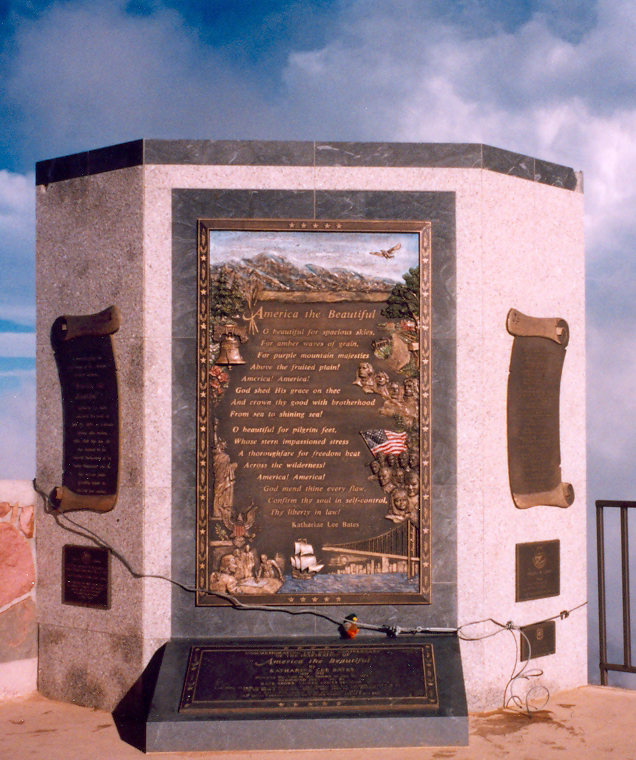
CC BY-SA 4.0 DEED
The Pike Expedition of 1809 was a daring and ambitious undertaking that ventured into the uncharted territory of the American West. Led by the intrepid Zebulon Pike, the expedition made significant contributions to the understanding of the region’s geography and its indigenous peoples. Although Pike did not achieve his initial objectives, his expedition laid the groundwork for further exploration and expansion into the American frontier, leaving an enduring legacy in the history of Colorado and the American West.




 DAVE DOES HISTORY
Leave a comment