
DeWitt Wallace, born on November 12, 1889, in St. Paul, Minnesota, was a pioneering figure in the world of publishing and philanthropy. He is best known as the founder of Reader’s Digest, a publication that would become a global phenomenon. This biographical article delves into the life and achievements of DeWitt Wallace, tracing his journey from his early days to the lasting legacy he left behind.
Wallace’s early life was marked by modesty and determination. Raised in a family that valued education and hard work, he developed a strong work ethic and a passion for reading from a young age. After graduating from St. Paul High School, he attended Macalester College, where he studied journalism and honed his writing skills.
In 1916, Wallace’s life took a significant turn when he enlisted in the United States Army during World War I. He served as a combat correspondent and editor for the Army newspaper, “The Stars and Stripes.” This experience not only deepened his journalistic abilities but also exposed him to the power of concise, easily digestible information, which would later inspire his groundbreaking venture.
Wallace’s vision for Reader’s Digest began to take shape during his time in the military. He recognized that busy individuals often lacked the time to read lengthy articles and books, but they still craved knowledge and entertainment. Armed with this insight, he conceived the idea of a condensed magazine that would distill the best content from a variety of sources into concise, engaging articles.
Upon returning from World War I, Wallace began working diligently on this concept, developing a systematic process for selecting and condensing articles. In 1922, he married Lila Bell Acheson, who would become an instrumental partner in the creation and success of Reader’s Digest. Together, they founded The Reader’s Digest Association in 1923.
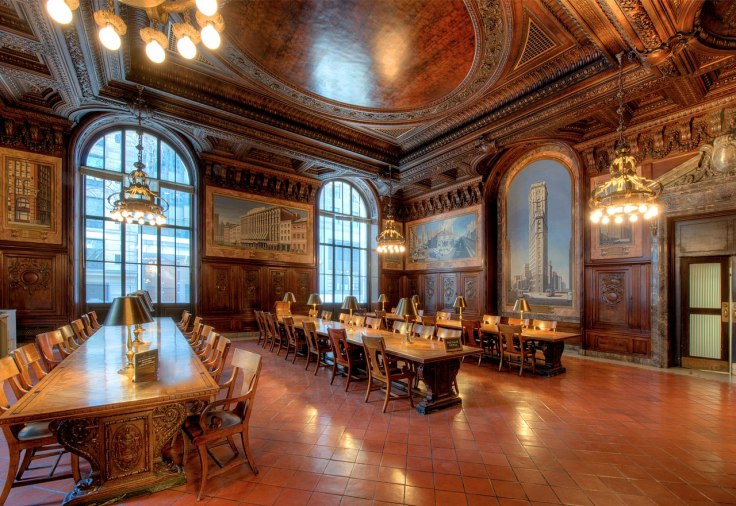
CC BY-SA 3.0
On February 5, 1922, the first issue of Reader’s Digest was published with a mere 5,000 copies. The magazine’s innovative format immediately struck a chord with readers, offering them a wealth of knowledge in a format tailored to their busy lives. The initial reception was overwhelmingly positive, and the magazine quickly gained popularity.
Reader’s Digest was built on a foundation of trust, featuring carefully curated articles and stories that aimed to educate, entertain, and uplift readers. This approach garnered a loyal readership, and by the end of its first year, the magazine had over 200,000 subscribers.
Under the guidance of DeWitt and Lila Wallace, Reader’s Digest continued to flourish. The publication expanded its reach by launching international editions, and its circulation skyrocketed, reaching millions of readers around the world. The magazine’s success led to a diverse range of publications, including condensed books and special interest magazines.
Reader’s Digest became a cultural icon, known for its insightful content, trusted advice, and signature features like “Word Power” and “Life in These United States.” It played a significant role in shaping American and global literary culture, making it one of the most widely read publications in history.
DeWitt Wallace and Lila Bell Acheson were not content with just building a publishing empire. They were dedicated philanthropists who believed in giving back to society. They established the Reader’s Digest Foundation, which supported various charitable causes, including education, healthcare, and the arts.
Their philanthropic efforts extended to the creation of the Wallace-Reader’s Digest Funds, which funded numerous educational and cultural initiatives. DeWitt and Lila’s commitment to philanthropy left an indelible mark on society, making a positive impact on countless lives.
Wallace’s legacy lives on through Reader’s Digest, which continues to inspire and inform readers worldwide. His innovative approach to condensing and presenting information laid the groundwork for modern media consumption. Additionally, his philanthropic contributions continue to benefit numerous charitable organizations.
DeWitt Wallace passed away on March 30, 1981, but his influence endures, and Reader’s Digest remains a beloved publication that carries forward his vision of providing knowledge, inspiration, and entertainment to a diverse global audience. DeWitt Wallace’s life story serves as a testament to the power of determination, innovation, and philanthropy in shaping the world for the better.

 DAVE DOES HISTORY
Leave a comment