
The sands of time had hidden one of Egypt’s greatest secrets for over three millennia. It was a secret so profound that its discovery would rewrite the history of ancient Egypt and fascinate the world. On November 4, 1922, this secret was unveiled: the tomb of the young Pharaoh Tutankhamun, arguably the most significant archaeological discovery of the 20th century.
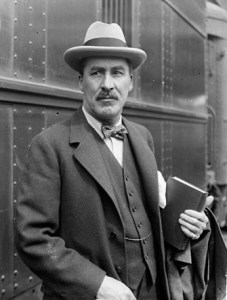
Chicago Daily News, Inc., photographer – The Library of Congress (USA)
Public Domain
By the early 20th century, much of the Valley of the Kings, the burial ground of Egypt’s New Kingdom pharaohs, had been excavated. Many experts believed there was little left to be discovered. Among them was Howard Carter, a seasoned British archaeologist and Egyptologist, but his perseverance and belief in the existence of Tutankhamun’s tomb never wavered. Supported by his financial backer, Lord Carnarvon, Carter had spent years searching for the tomb.
On the fateful morning, after almost six years of fruitless searching in the Valley of the Kings, one of Carter’s workmen stumbled upon a step carved into the rock. As they cleared the area, more steps were revealed, leading to a sealed doorway. Behind this door lay the treasures of Tutankhamun.
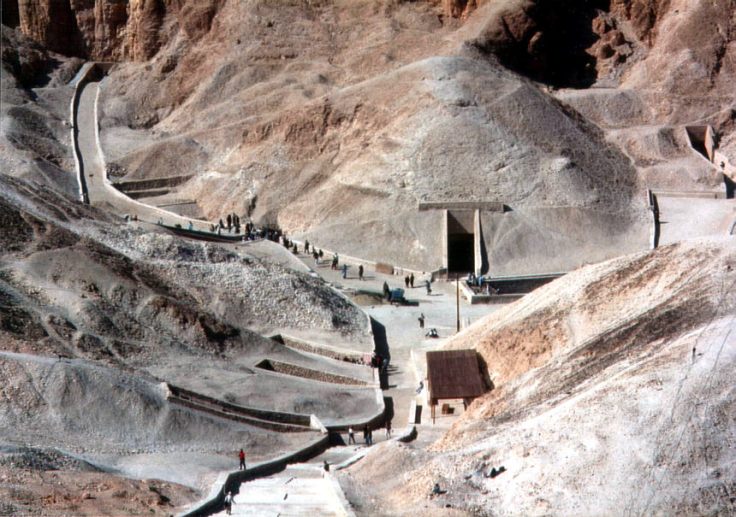
The enormity of the discovery was immediately apparent to Carter. Upon breaking a small hole in the door, with the anxious Lord Carnarvon asking, “Can you see anything?”, Carter famously replied, “Yes, wonderful things!” He was looking at an antechamber filled with a jumble of treasures: golden chariots, statues, and chests.
The tomb of Tutankhamun, designated as KV62, was unique for various reasons:
1. Intact Tomb: Most of the royal tombs in the Valley of the Kings had been looted in antiquity. In stark contrast, Tutankhamun’s tomb was almost entirely intact. While there were signs of two minor break-ins, the tomb and its treasures had remained largely undisturbed.
2. Wealth of Artifacts: The tomb contained over 5,000 items, including the iconic golden death mask of Tutankhamun, a solid gold coffin, thrones, archery bows, trumpets, and a lotus chalice. Each of these artifacts provided unprecedented insight into the life, culture, and art of the 18th Dynasty.
3. Understanding Tutankhamun: Before the discovery, Tutankhamun was a relatively unknown pharaoh. The treasures from his tomb shed light on his short life, the cause of his death, and the religious practices of his time.
4. Global Fascination: The discovery caught the world’s imagination. “Tut-mania” swept across the globe, influencing art, music, and fashion.
While the treasures of Tutankhamun continue to captivate audiences worldwide, the discovery also brought attention to the importance of archaeological preservation. The sheer number of visitors to the tomb raised concerns about its conservation. This led to a greater understanding and emphasis on the need to protect such invaluable sites for future generations.
November 4, 1922, was not just a day of historical discovery but also a moment that connected the modern world with the rich tapestry of ancient Egypt. Howard Carter’s tenacity and dedication unveiled a time capsule, offering a window into the life and death of a young pharaoh and the civilization he represented.



 DAVE DOES HISTORY
Leave a comment