
On the morning of November 1, 1950, an audacious attempt on the life of President Harry S. Truman was made by two Puerto Rican nationalists, in what remains one of the most significant breaches of presidential security in the history of the United States.
The primary motive behind this assassination attempt was the desire for Puerto Rican independence. The perpetrators, Oscar Collazo and Griselio Torresola, were fervent nationalists who were profoundly affected by the Nationalist Party Uprising in Puerto Rico earlier in October 1950. They believed that by assassinating Truman, they could draw global attention to Puerto Rico’s cause and catalyze a large-scale revolution for Puerto Rican independence from the United States.
At the time of the assassination attempt, President Truman was staying at Blair House, which is located across the street from the White House. This was due to ongoing renovations at the White House. On the fateful day, the two assailants approached Blair House and began firing at the guards outside. Torresola, armed with a semi-automatic pistol, managed to seriously wound two policemen, including Private Leslie Coffelt, who later succumbed to his injuries. Collazo, meanwhile, struggled with his weapon but eventually was able to fire shots as well.
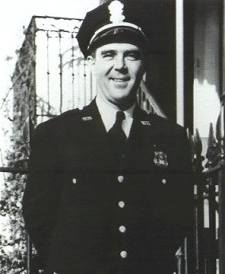
Public Domain
Despite being severely injured, Coffelt mustered the strength to fire back, hitting Torresola in the head and killing him instantly. Collazo was incapacitated and arrested at the scene. President Truman, who was taking a nap inside Blair House at the time, was unharmed but was said to have been fully aware of the danger he was in.
Oscar Collazo was tried and convicted for his role in the assassination attempt. Initially sentenced to death, his punishment was later commuted to life imprisonment by President Truman himself. Truman’s decision was based on the belief that Collazo was primarily influenced by Torresola. Collazo served 29 years in prison before being released by President Jimmy Carter in 1979, as a gesture of goodwill towards Puerto Rico.
The immediate aftermath of the assassination attempt saw an intensified focus on presidential security. While the Secret Service had been responsible for the president’s safety since the assassination of President William McKinley in 1901, the attack on Truman revealed certain vulnerabilities in their protocol. In response:
1. A comprehensive overhaul of security measures around the president was undertaken.
2. The proximity of public access to the president was significantly reduced, especially during movements outside secure locations.
3. Security at Blair House was dramatically enhanced, ensuring that any future resident, whether the president or a foreign dignitary, would be safe.
4. Advanced training and better coordination with local law enforcement agencies were emphasized to ensure quicker response times in emergencies.
The Truman assassination attempt is a somber reminder of the fragility of even the highest office in the land. It underscored the need for continual vigilance and preparedness to protect the president.
The incident also brought Puerto Rican nationalist sentiments to the forefront of American consciousness, though not necessarily in the way the perpetrators had hoped. While it didn’t result in Puerto Rican independence, it did contribute to ongoing discussions about the island’s political status and relationship with the United States.
In a broader historical context, the assassination attempt on Truman is often seen as a precursor to the more widely known attempts on later presidents, reminding us of the very real threats that those holding the office of the President of the United States face and the evolving challenges of ensuring their safety.
 DAVE DOES HISTORY
Leave a comment